
• Philosophy
  • Scope
  • Team
  • Contact & Feedback
  • Philosophy
  • Scope
  • Team
  • Contact & Feedback
  • Newsletter
  • Login
  • Cars
    • Sports Cars
    • GTs & Coupés
    • Sedans
    • Convertibles
    • Hatchbacks & Wagons
    • SUVs & Trucks
  • Culture
    • Journeys
    • Book Reviews
    • Myths & Trivia
  • People
  • Cars
    • Sports Cars
    • GTs & Coupés
    • Sedans
    • Convertibles
    • Hatchbacks & Wagons
    • SUVs & Trucks
  • Culture
    • Journeys
    • Book Reviews
    • Myths & Trivia
  • People
Home Culture Myths & Trivia

Did Honda accidentally expose Britain’s quality issues?

by Natan Tazelaar
01/07/2026
in Myths & Trivia
0
Did Honda accidentally expose Britain’s quality issues?

The Sterling paradox

As a nation that once built ships, aircraft and automobiles for their empire that dominated the globe, the United Kingdom has never been short of pride.  By the 1960s however, that reputation was deteriorating, a process accelerated by cost-cutting and corporate mergers to battle a wave of new competitors, especially from Asia.

By the 1980s, much of the empire had crumbled and the reputation had faded, while the automotive industry relied increasingly on heritage and nostalgia with manufacturing excellence evaporating. Britain was becoming, in many ways, an open-air museum of its own industrial past.

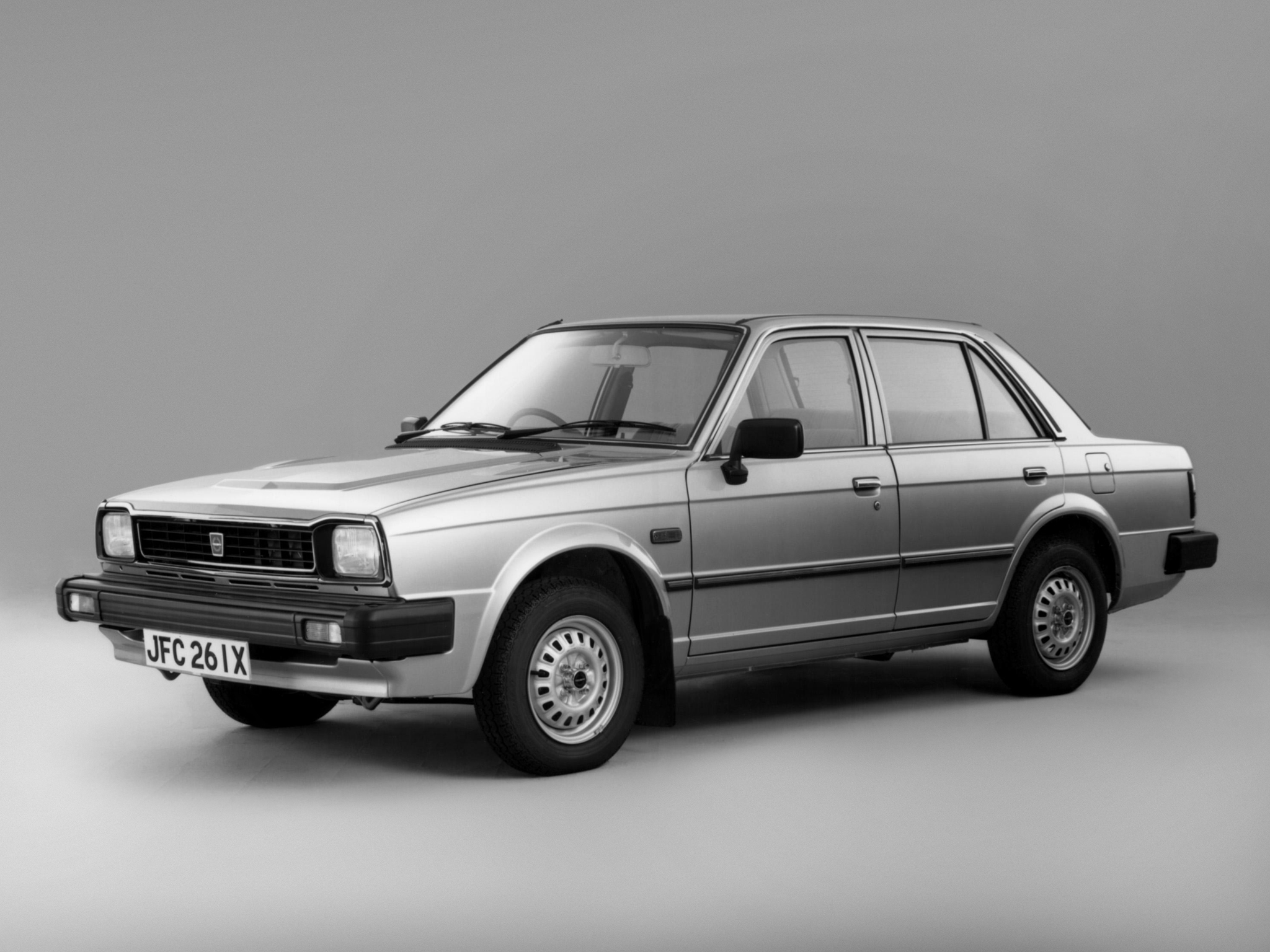
All too aware of its ageing model range and declining reputation, state-owned British Leyland formed an alliance with Honda in late 1979 to modernise its product portfolio, while Honda gained access to the restricted European market. In 1981, the Triumph Acclaim became the first result of this Anglo-Japanese cooperation and one of the first Japanese-engineered cars to be manufactured within the European Economic Community.

The Acclaim was basically a rebadged first-generation Honda Ballade (SS/ST) – known as the Civic sedan in North America – manufactured in the UK under Honda’s supervision. As the number seven on the list of Britain’s best-selling cars in 1982 – and eighth in 1983 – the Acclaim brought hope to the struggling company which, in the meantime, had been re-organised into the Austin Rover Group after extensive restructuring at British Leyland. 

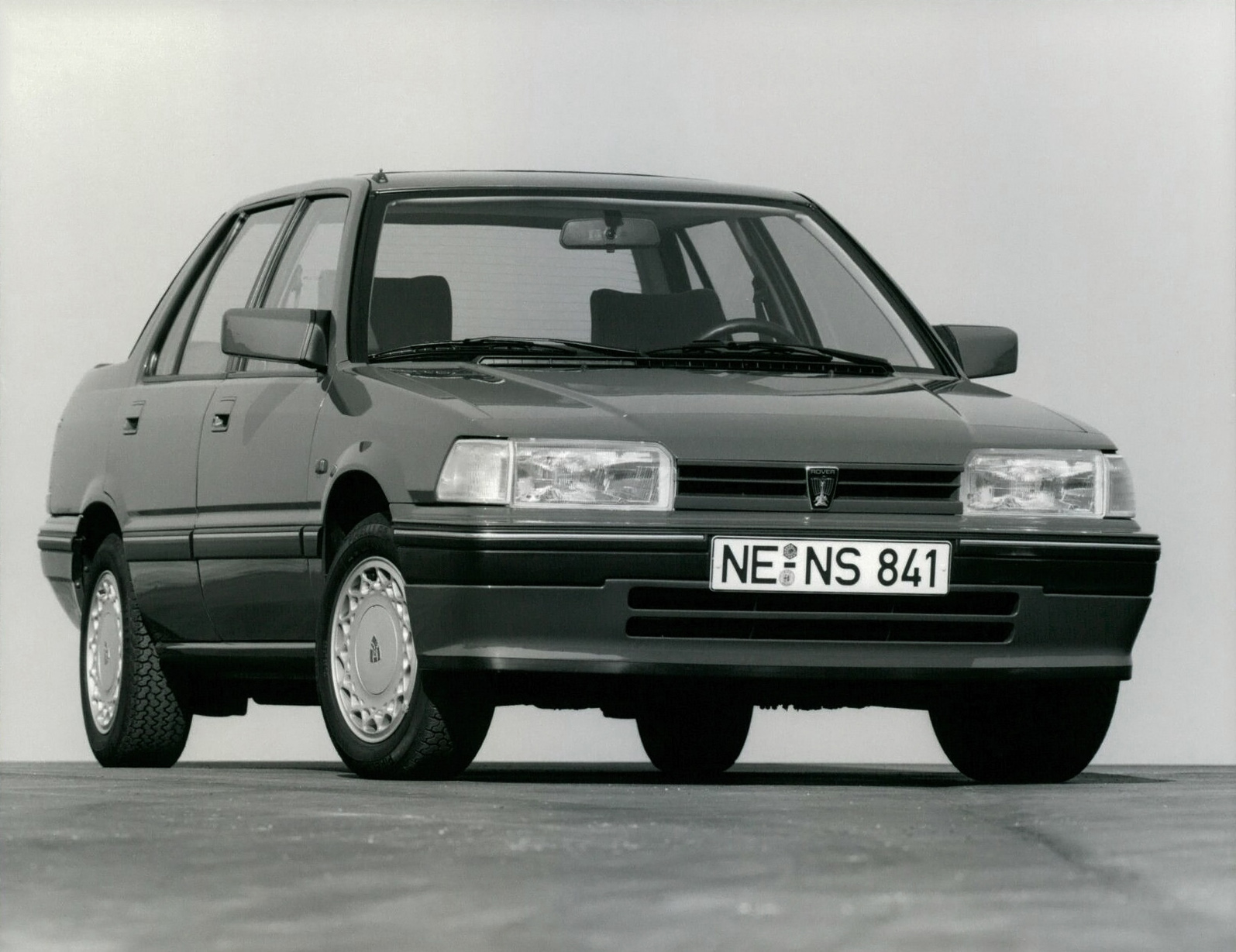
In 1984, the same formula was applied to the second-generation Ballade (AJ/AK), resulting in the Rover 200 (SD3) as the Acclaim’s successor. Once again, it was based on Honda engineering, Honda components, a Honda-developed drivetrain and relatively straightforward construction, intended for the British and European markets. The Rover 200 maintained the Acclaim’s reputation for quality, restoring confidence in Austin Rover’s ability to build reliable cars.

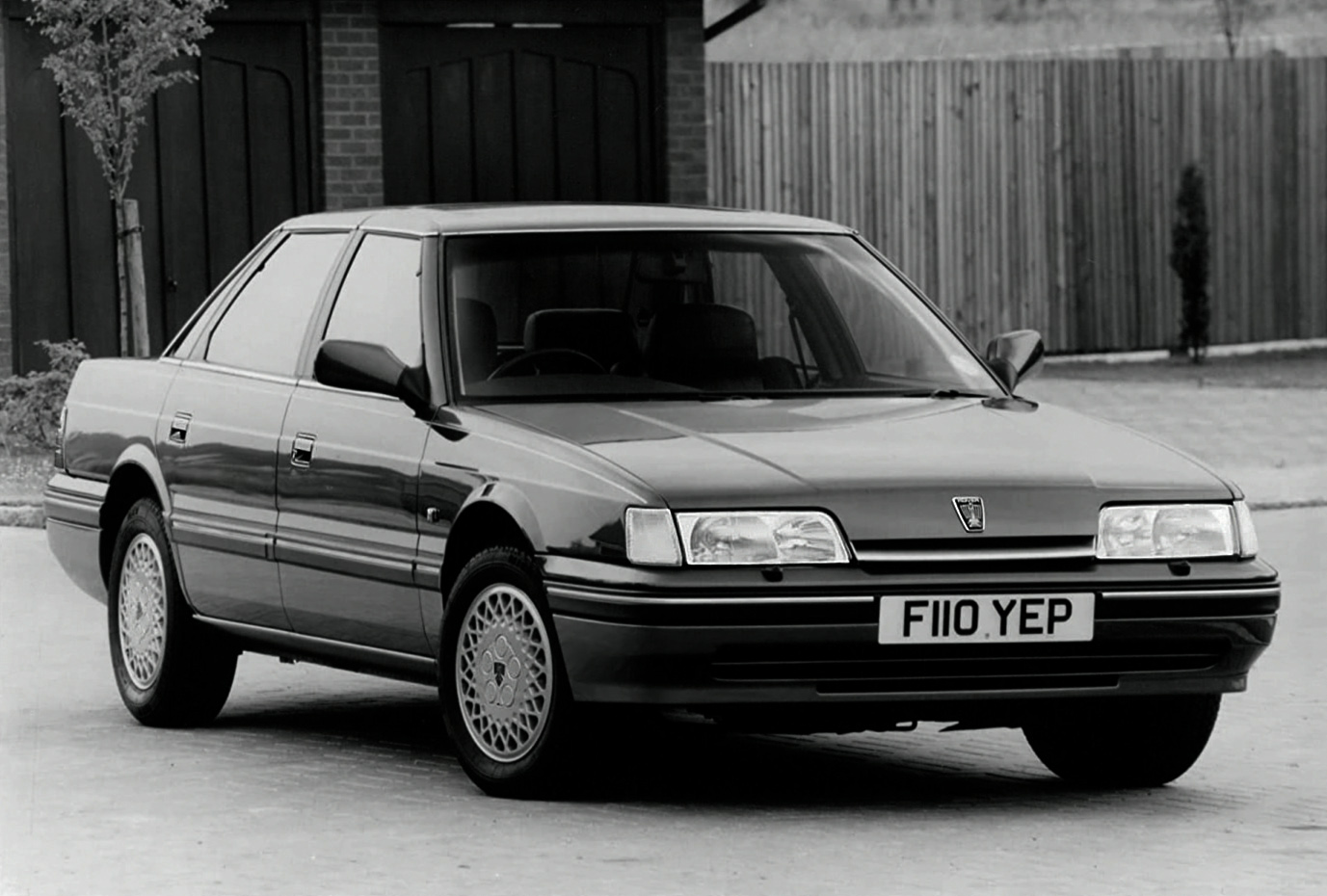
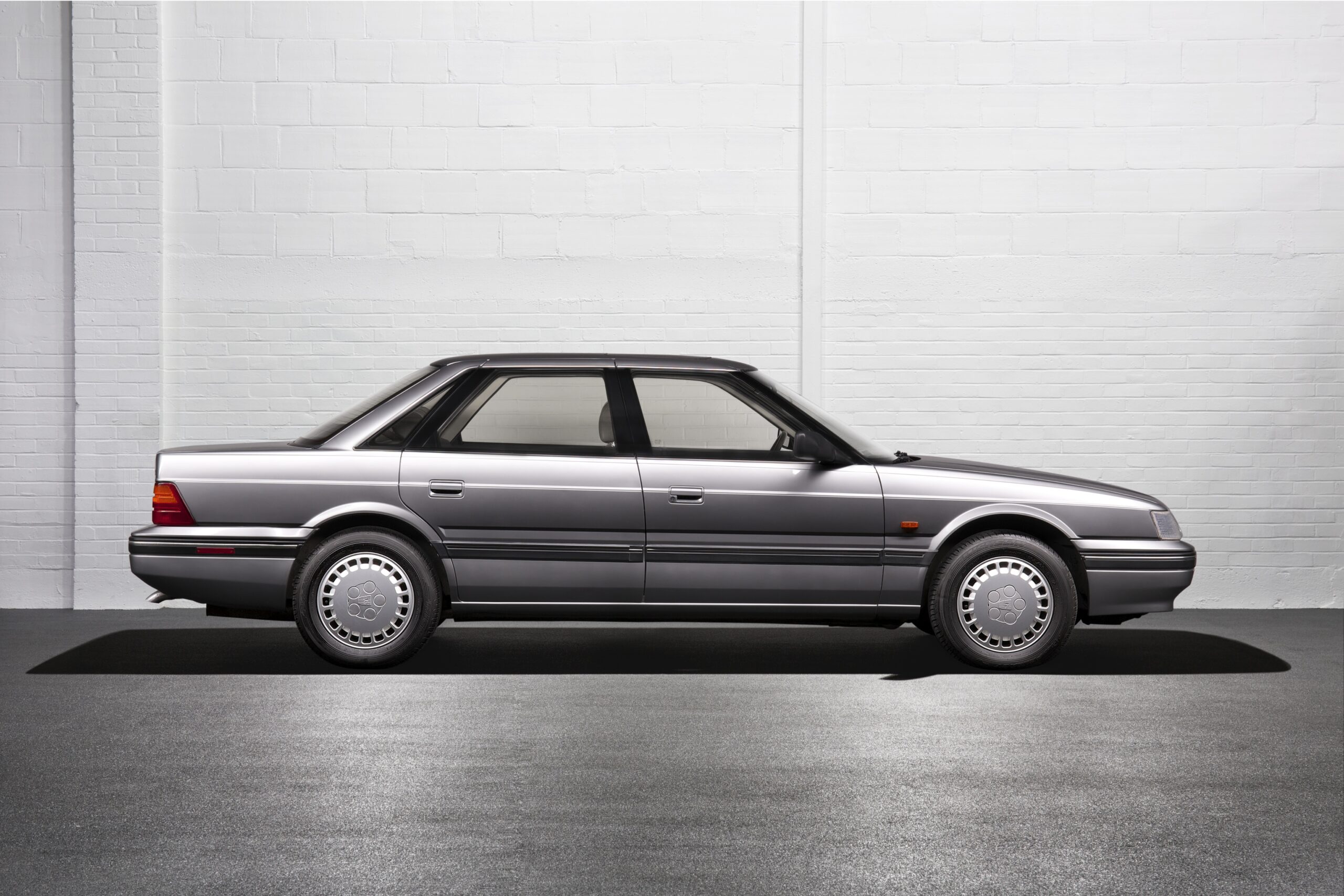
At this point Rover wanted to re-establish its reputation as a manufacturer of luxury cars and return to the United States, while the upcoming brand from Japan wanted to make its debut in the executive segment. Development of project XX began in 1981, leading to the Rover 800 and Honda Legend. Unlike previous collaborations, both luxury sedans would only share the basic structure and Honda-supplied V6 engines. Each manufacturer developed its own bodywork and interior, while Rover produced their own four-cylinders for the European market. 

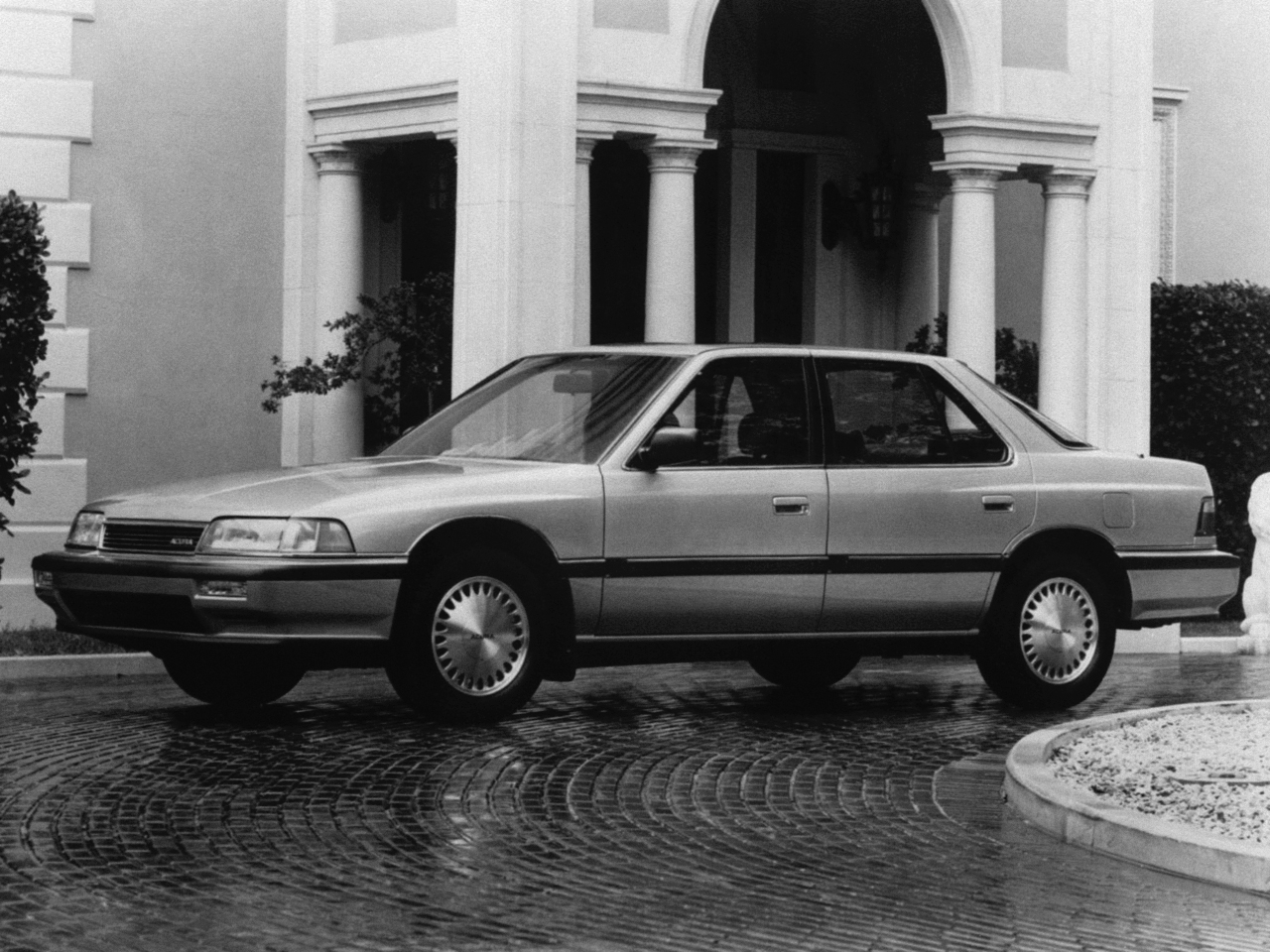
For North America, both manufacturers adopted different brand identities. Honda launched the Legend through its newly created Acura luxury division, while Rover marketed the 800 under the newly established Sterling marque.

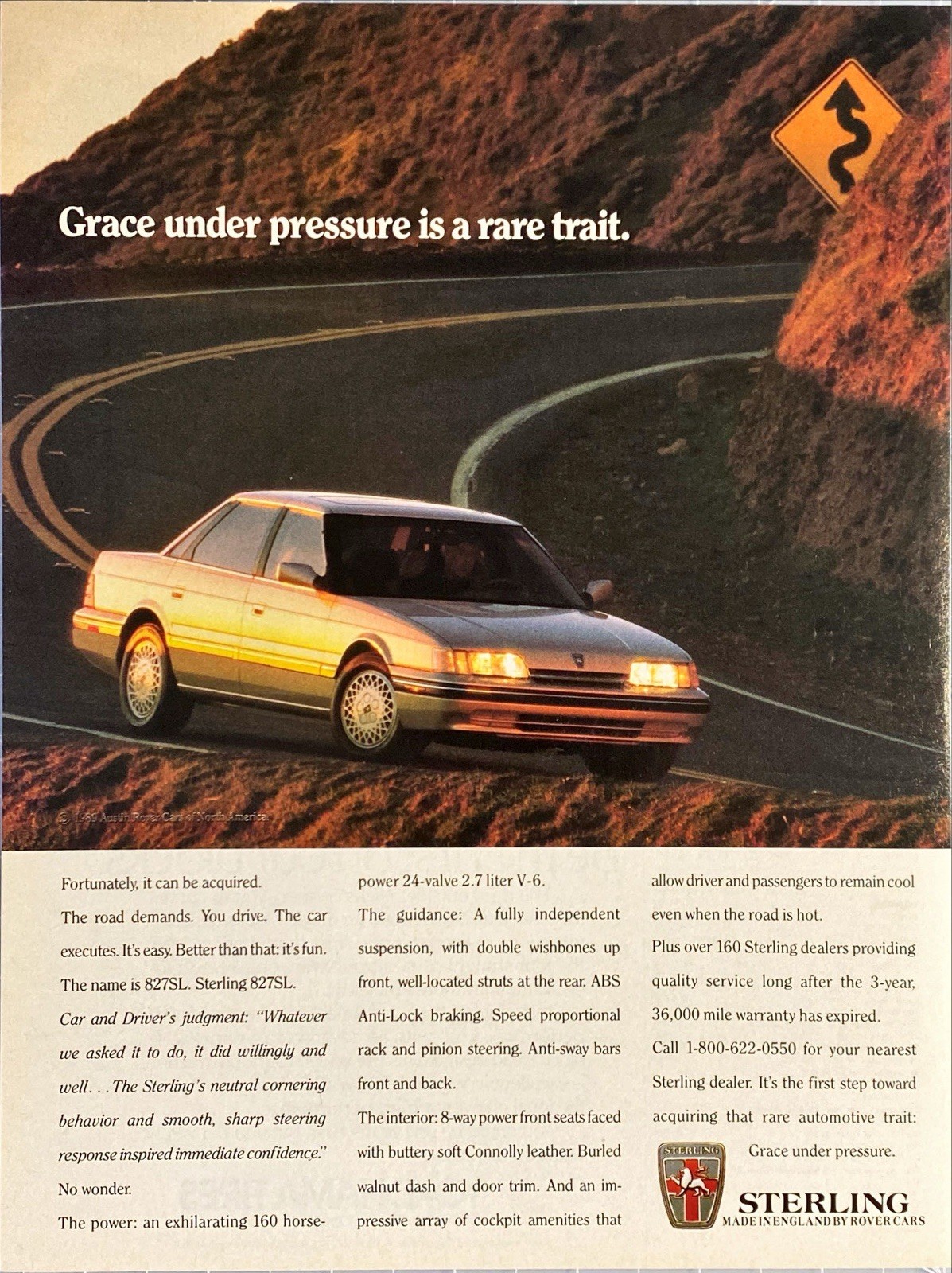
In 1987 sales of the Sterling 825 sedan began and with around 14,000 cars sold, things looked good for Rover. Leather upholstery, wood trim, refined road manners and the image of traditional British luxury combined with Honda mechanicals appeared to be an appealing formula for the American public. Two years later a hatchback was added to the line-up and because the V6 increased from 2.5 to 2.7-liters, the model name changed to 827. 
As owners accumulated miles, reliability issues began to surface. Electrical failures, water leaks, poor trim quality and inconsistent assembly damaged the Sterling’s reputation. Some electrical problems were linked to Lucas-supplied components, adding another chapter to the long-running association between British cars and troublesome electrics. Ironically, the Honda-developed mechanical components were generally considered the strongest aspect of the Sterling. The V6 engine and transmission were rarely a concern; it was the surrounding parts that undermined the ownership experience.

The close relationship with the Acura Legend made the contrast between the two cars impossible to ignore, turning the Rover 800 into an almost perfect case study of the differences between British and Japanese manufacturing quality. The Sterling consistently ranked among the poorest performers in J.D. Power’s Initial Quality Study, while Consumer Reports repeatedly advised readers not to buy the Sterling because of its poor reliability.

The Legend on the other hand, established itself as one of America’s most respected luxury cars. Combining Honda’s reputation for precision engineering with excellent manufacturing quality, it became known for reliability and durability, ranking at the top of the same J.D. Power quality ratings in which the Sterling struggled near the bottom. 

In theory, both cars should have offered a very similar ownership experience. In reality, they demonstrated that manufacturing discipline, quality control and consistent execution ultimately determined whether customers drove away in one of America’s most dependable luxury cars, or one of its most disappointing.

The Sterling disappeared from the American market after the 1991 model year, while the Legend went on to become one of Acura’s defining models. Today, the pair remains one of the most illuminating contrasts in automotive history. Not because one was British and the other Japanese, but because they proved that a badge, a heritage and a proud history mean very little without the manufacturing quality to support them. 
Support Motorcar Journal

Donate a tank of fuel

Donate
Tags: 825827AcclaimAcuraAustinHondaLegendRoverSterlingV6
Previous Post

Porsche 911 Turbo S “Leichtbau”

Next Post

Maybach 57 SC Xenatec Coupé

Natan Tazelaar

Natan Tazelaar

Next Post
Maybach 57 SC Xenatec Coupé

Maybach 57 SC Xenatec Coupé


Motorcar Journal on Instagram

Chris Dinnage – Ayrton Senna’s chief mechanic Chris Dinnage – Ayrton Senna’s chief mechanic 

As a mechanic at Team Lotus, Chris Dinnage was responsible for Ayrton Senna’s Formula 1 cars for three years. During that time, he got to know Senna not only at the racetrack but also away from it. 

We sat down with Chris to talk about their time together at Lotus. 

Read the full story in Motorcar Journal – link in bio.

#MotorcarJournal #senna #ayrtonsenna #formula1 #lotus

📷 @ingmartimmer & @classicteamlotus
Monteverdi Safari The Safari was Monteverdi’s Monteverdi Safari 

The Safari was Monteverdi’s answer to the growing demand for luxury off-road vehicles in the 1970s. It combined the chassis and drivetrain of the International Harvester Scout with the refinement and exclusivity of an Italian coachbuilt body.

This seemingly unusual combination was, in fact, characteristic of Monteverdi, making the Safari one of the most distinctive luxury 4×4s of its era.

A tasteful blend of Swiss craftsmanship and American muscle.

Read the full story in Motorcar Journal – link in bio.

#MotorcarJournal #Monteverdi #MonteverdiSafari #Safari #V8 

📷 @walkinshawphotography 
@ galleryaaldering
Brabus 190 E 3.6S Leichtbau If German tuning e Brabus 190 E 3.6S Leichtbau 

If German tuning embodies the eccentric spirit of the 1980s, then this lightweight Brabus 190 E 3.6S was at the forefront of that movement. 

Intended as a promotional vehicle, the original Leichtbau disappeared, but Brabus spokesperson and veteran Sven Gramm decided this cover model deserved a comeback. 

While driving this feisty piece of German cultural heritage, we spoke about the history behind it with the man who revived the legend. 

Read the full story on Motorcar Journal – link in bio. 

#MotorcarJournal #Brabus #190E #MercedesBenz 

📷 @walkinshawphotography 
@brabus @brabususa
Porsche 911 Turbo S “Leichtbau” Driving a muse Porsche 911 Turbo S “Leichtbau” 

Driving a museum car is always a special treat, but receiving the keys to the prototype of one of the rarest and most impressive Porsche 911 variants is a dream come true. 

Motorcar Journal spent two days driving through the Black Forest in the 911 Turbo S, which is essentially a stripped-out 964 with an upgraded 3.3-liter turbocharged engine producing 381 PS. 

In many ways, it was a precursor to the GT2 RS, which wouldn’t appear until nearly two decades later. 

Read the full story on Motorcar Journal – link in bio. 

#MotorcarJournal #Porsche911 #964Turbo #PorscheHeritage 

📷 @ingmar_timmer 
@porsche @porsche.museum
Rare Shades – A film about Moonstone Porsche c Rare Shades – A film about Moonstone 

Porsche collector Justin Roeser from Texas is so fascinated by the colour Moonstone, that his collection not only evolves around this pale lavender shade, but he made a film about it with Kevin McCauley. 

This episode in their Rare Shades series is a deep dive into this cool but unsuccessful Porsche hue, as well as the starting point of a series about fascinating stories hidden behind unusual and iconic Porsche colours. 

Read the full story on Motorcar Journal – link in bio.

#MotorcarJournal #Porsche #Moonstone #RareShades 

@rareshades @capturingthemachine @000magazine @porsche
Maserati 3500 GT Spyder Touring prototype We g Maserati 3500 GT Spyder Touring prototype 

We got behind the wheel of a very rare Maserati 3500 GT Spyder. Not one of the 242 cars manufactured by Vignale, but one of only three prototypes built by Touring, two years before the production cars were ready. 

Read the full story on Motorcar Journal – link in bio.

#MotorcarJournal #Maserati #3500GT #Touring #Superleggera

📷 @ingmar_timmer @Maserati @touringsuperleggera
Follow on Instagram
Socials
  • Instagram
  • LinkedIn
  • YouTube
Links
  • Home
  • Advertise
  • Contact & Feedback
  • Home
  • Advertise
  • Contact & Feedback
No Result
View All Result
  • Abonnement afronden
  • Account
  • Advertisement
  • Archive
  • Contact & Feedback
  • Editorial philosophy
  • Editorial team
    • Andrew Walkinshaw
    • Ingmar Timmer
    • Natan Tazelaar
  • For the sake of driving
  • Home
  • Kevin McCauley
  • Log in
  • Login
  • Logout
  • Members
  • My Account
  • My Subscription
  • News
  • Newsletter
  • Password Reset
  • Purpose
  • Register
  • Subscribe
  • Subscribe
  • Subscribe
  • Subscribe
  • Subscribe
  • Subscribe
  • Subscribe
  • User

Copyright © 2017 JNews.