
The Sterling paradox
As a nation that once built ships, aircraft and automobiles for their empire that dominated the globe, the United Kingdom has never been short of pride. By the 1960s however, that reputation was deteriorating, a process accelerated by cost-cutting and corporate mergers to battle a wave of new competitors, especially from Asia.
By the 1980s, much of the empire had crumbled and the reputation had faded, while the automotive industry relied increasingly on heritage and nostalgia with manufacturing excellence evaporating. Britain was becoming, in many ways, an open-air museum of its own industrial past.
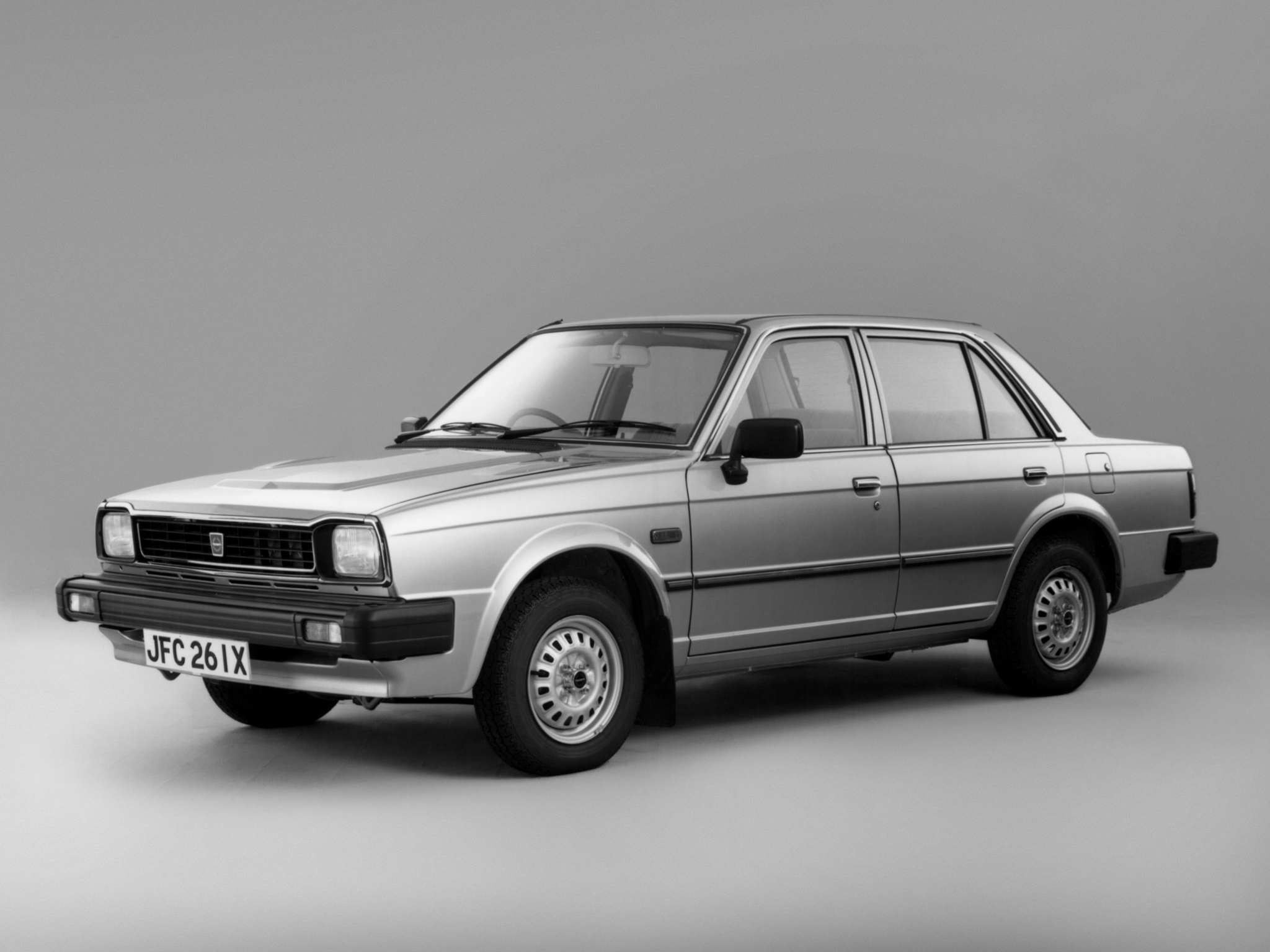
All too aware of its ageing model range and declining reputation, state-owned British Leyland formed an alliance with Honda in late 1979 to modernise its product portfolio, while Honda gained access to the restricted European market. In 1981, the Triumph Acclaim became the first result of this Anglo-Japanese cooperation and one of the first Japanese-engineered cars to be manufactured within the European Economic Community.
The Acclaim was basically a rebadged first-generation Honda Ballade (SS/ST) – known as the Civic sedan in North America – manufactured in the UK under Honda’s supervision. As the number seven on the list of Britain’s best-selling cars in 1982 – and eighth in 1983 – the Acclaim brought hope to the struggling company which, in the meantime, had been re-organised into the Austin Rover Group after extensive restructuring at British Leyland.
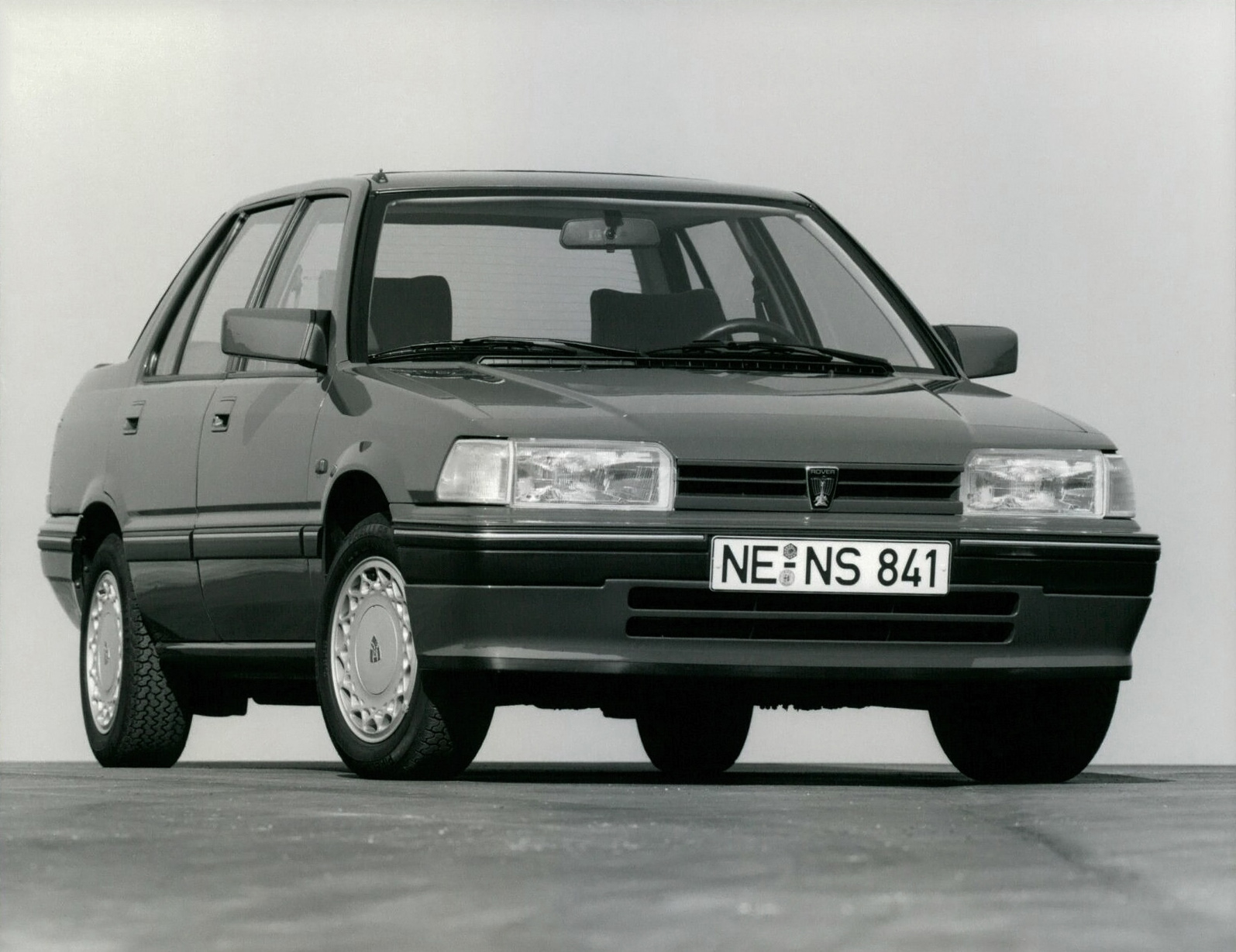
In 1984, the same formula was applied to the second-generation Ballade (AJ/AK), resulting in the Rover 200 (SD3) as the Acclaim’s successor. Once again, it was based on Honda engineering, Honda components, a Honda-developed drivetrain and relatively straightforward construction, intended for the British and European markets. The Rover 200 maintained the Acclaim’s reputation for quality, restoring confidence in Austin Rover’s ability to build reliable cars.
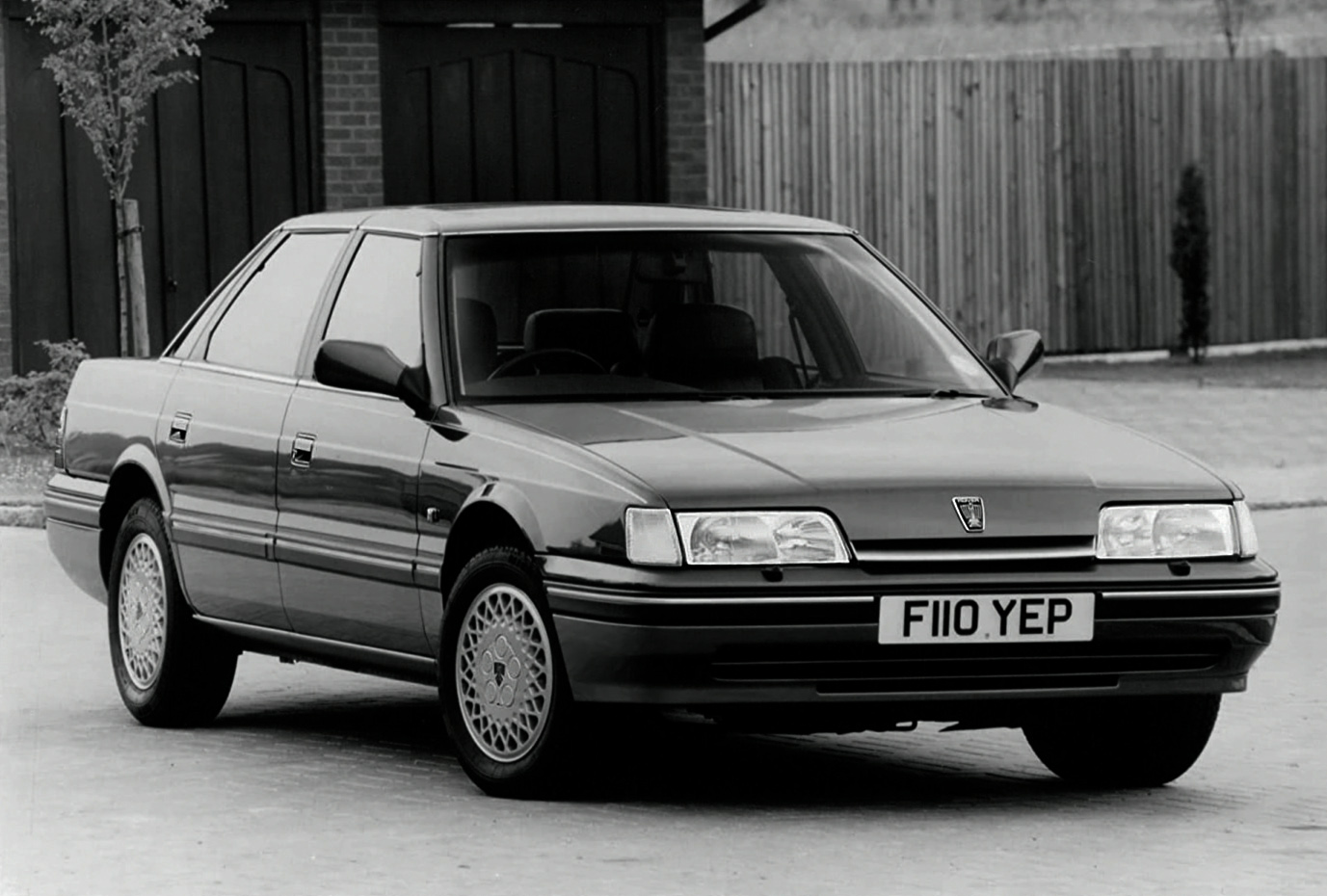
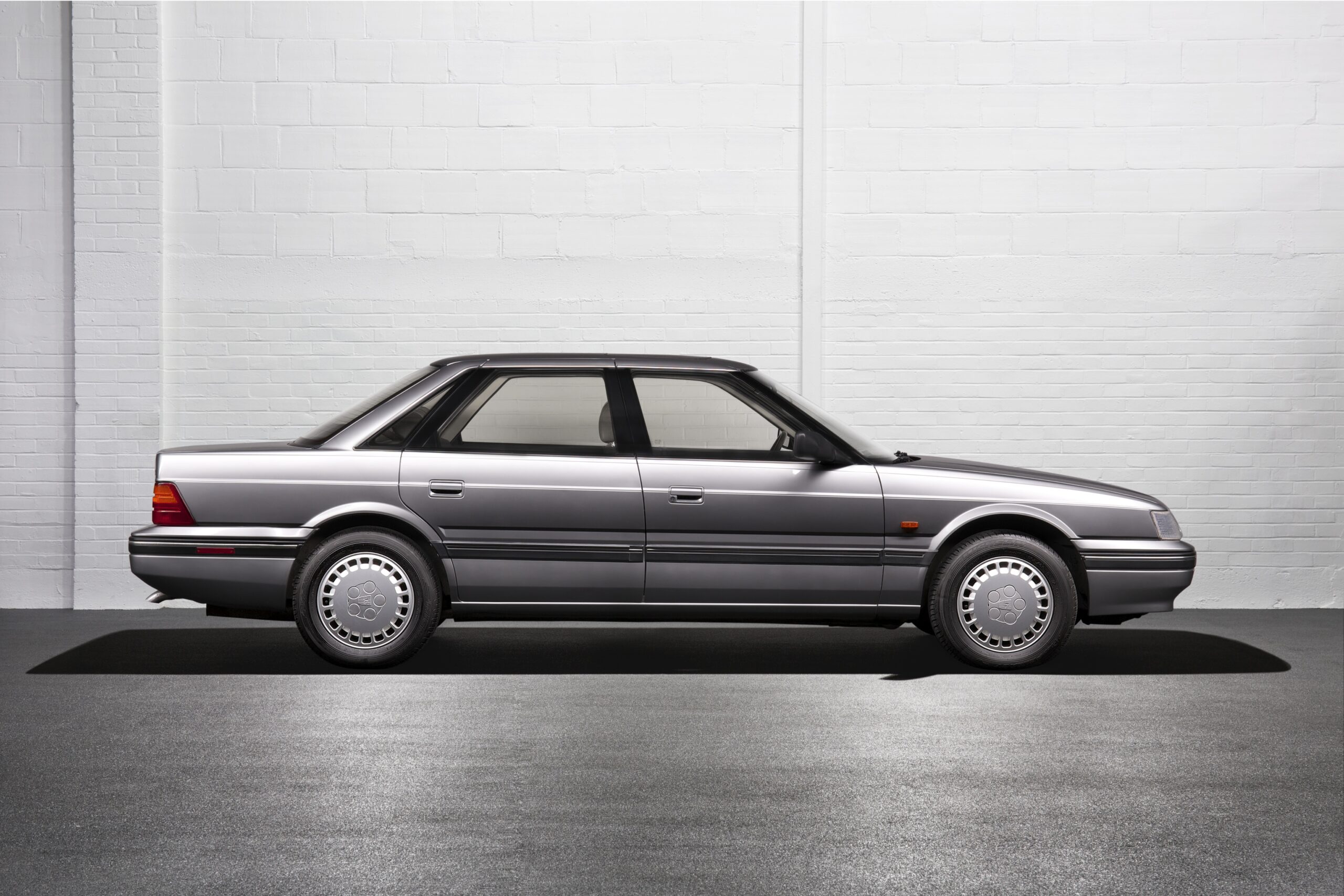
At this point Rover wanted to re-establish its reputation as a manufacturer of luxury cars and return to the United States, while the upcoming brand from Japan wanted to make its debut in the executive segment. Development of project XX began in 1981, leading to the Rover 800 and Honda Legend. Unlike previous collaborations, both luxury sedans would only share the basic structure and Honda-supplied V6 engines. Each manufacturer developed its own bodywork and interior, while Rover produced their own four-cylinders for the European market.
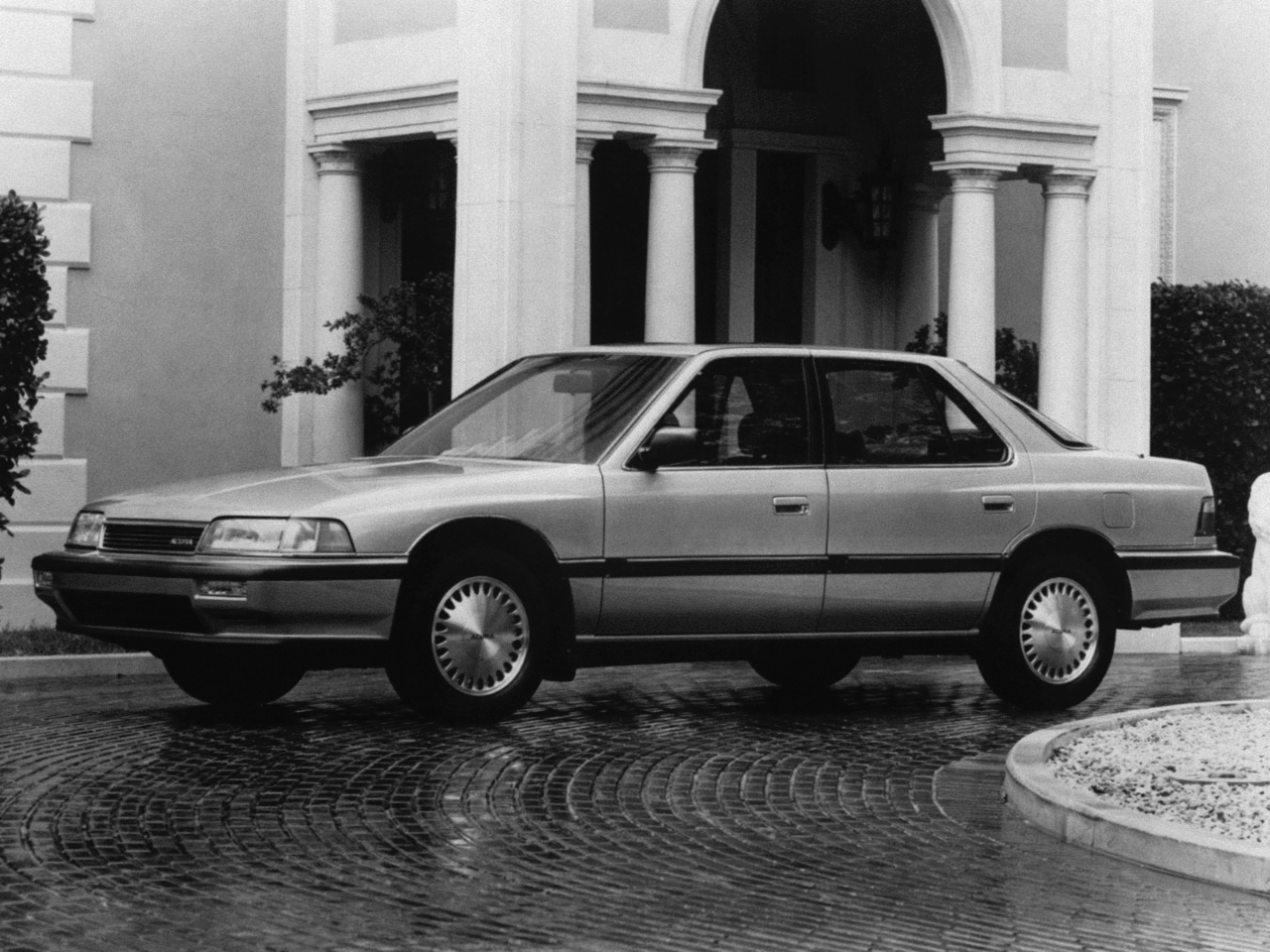
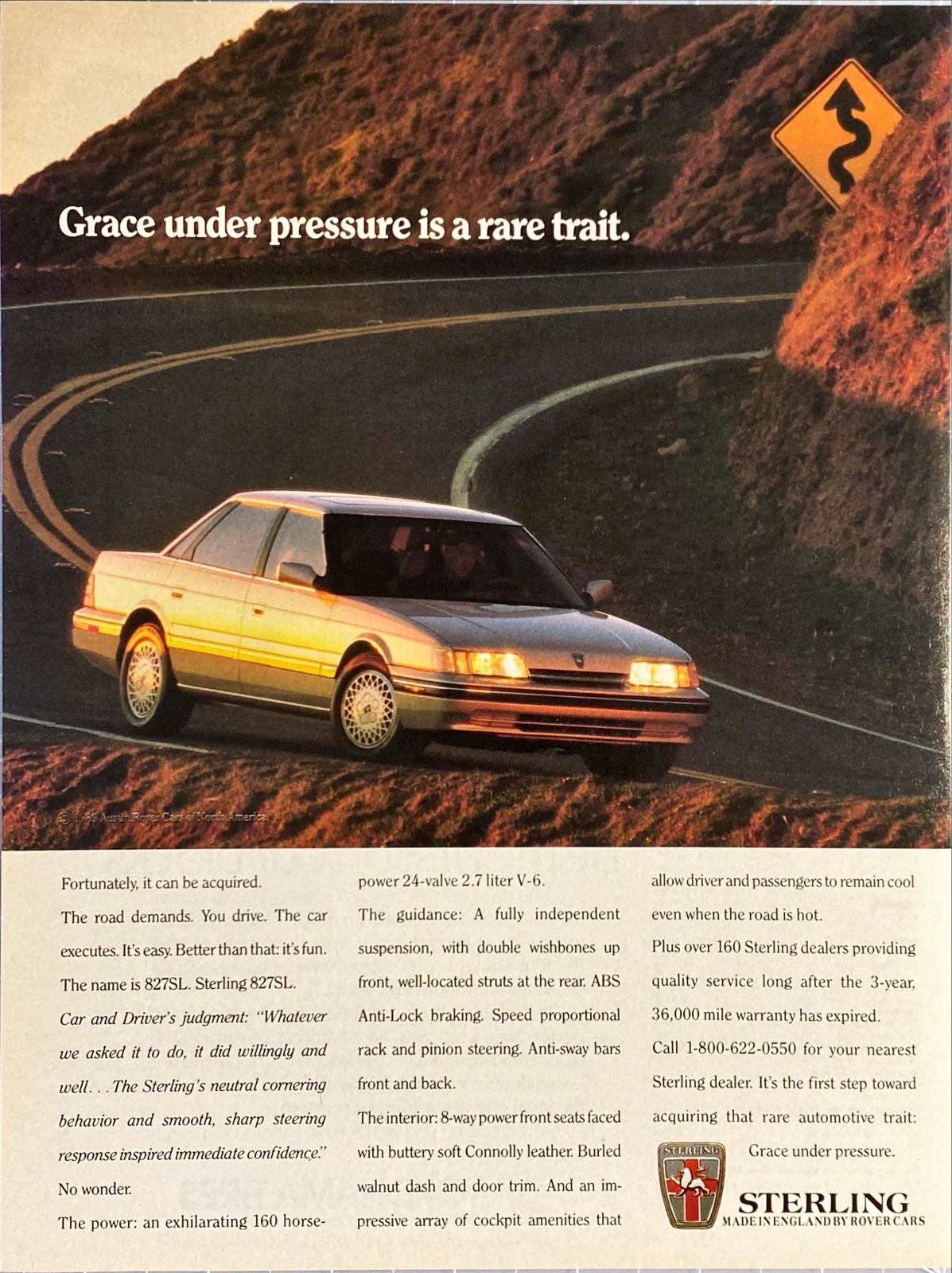
For North America, both manufacturers adopted different brand identities. Honda launched the Legend through its newly created Acura luxury division, while Rover marketed the 800 under the newly established Sterling marque.
In 1987 sales of the Sterling 825 sedan began and with around 14,000 cars sold, things looked good for Rover. Leather upholstery, wood trim, refined road manners and the image of traditional British luxury combined with Honda mechanicals appeared to be an appealing formula for the American public. Two years later a hatchback was added to the line-up and because the V6 increased from 2.5 to 2.7-liters, the model name changed to 827.
As owners accumulated miles, reliability issues began to surface. Electrical failures, water leaks, poor trim quality and inconsistent assembly damaged the Sterling’s reputation. Some electrical problems were linked to Lucas-supplied components, adding another chapter to the long-running association between British cars and troublesome electrics. Ironically, the Honda-developed mechanical components were generally considered the strongest aspect of the Sterling. The V6 engine and transmission were rarely a concern; it was the surrounding parts that undermined the ownership experience.
The close relationship with the Acura Legend made the contrast between the two cars impossible to ignore, turning the Rover 800 into an almost perfect case study of the differences between British and Japanese manufacturing quality. The Sterling consistently ranked among the poorest performers in J.D. Power’s Initial Quality Study, while Consumer Reports repeatedly advised readers not to buy the Sterling because of its poor reliability.
The Legend on the other hand, established itself as one of America’s most respected luxury cars. Combining Honda’s reputation for precision engineering with excellent manufacturing quality, it became known for reliability and durability, ranking at the top of the same J.D. Power quality ratings in which the Sterling struggled near the bottom.
In theory, both cars should have offered a very similar ownership experience. In reality, they demonstrated that manufacturing discipline, quality control and consistent execution ultimately determined whether customers drove away in one of America’s most dependable luxury cars, or one of its most disappointing.
The Sterling disappeared from the American market after the 1991 model year, while the Legend went on to become one of Acura’s defining models. Today, the pair remains one of the most illuminating contrasts in automotive history. Not because one was British and the other Japanese, but because they proved that a badge, a heritage and a proud history mean very little without the manufacturing quality to support them.
Support Motorcar Journal
Donate a tank of fuel