
Under pressure
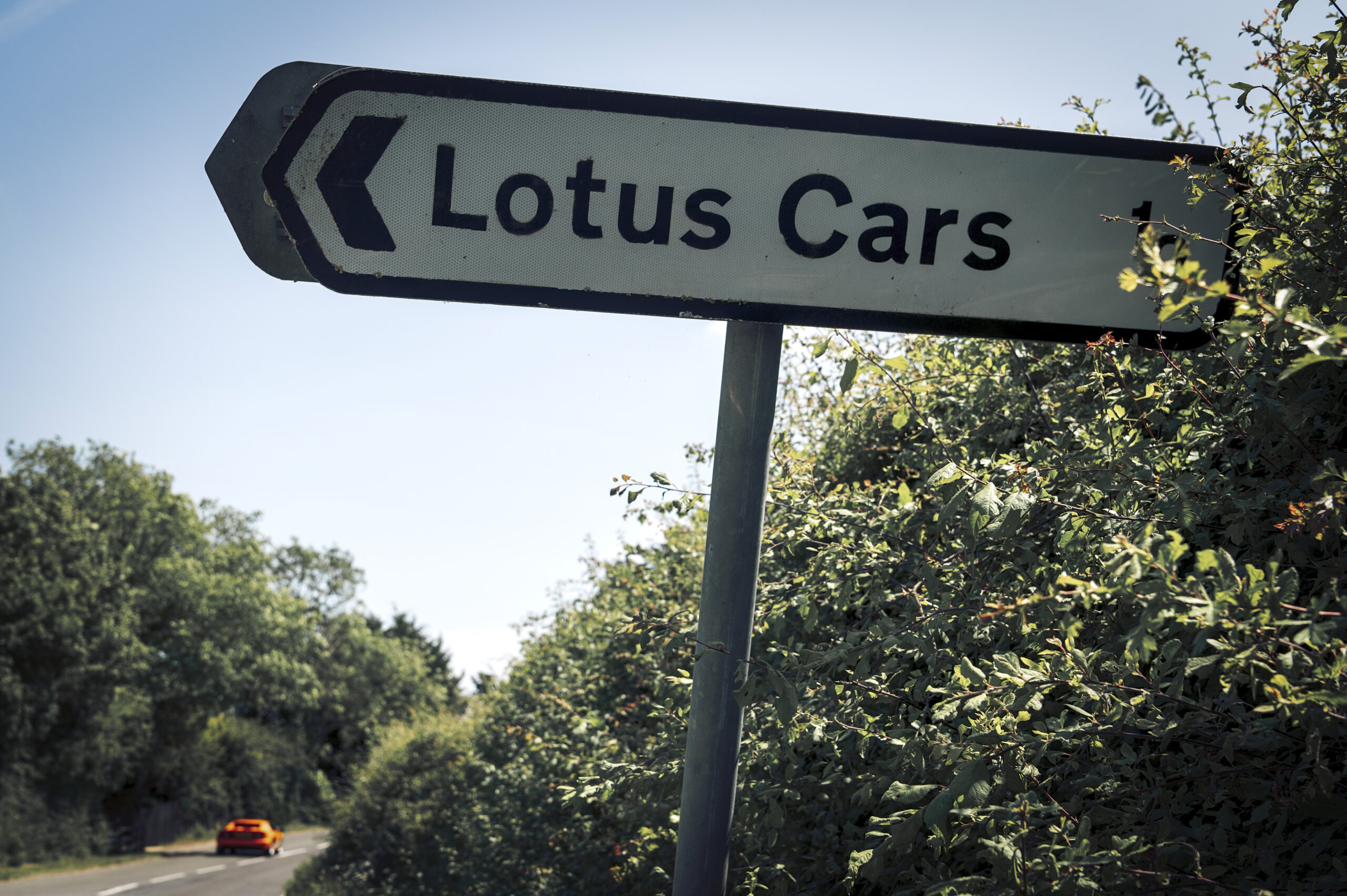
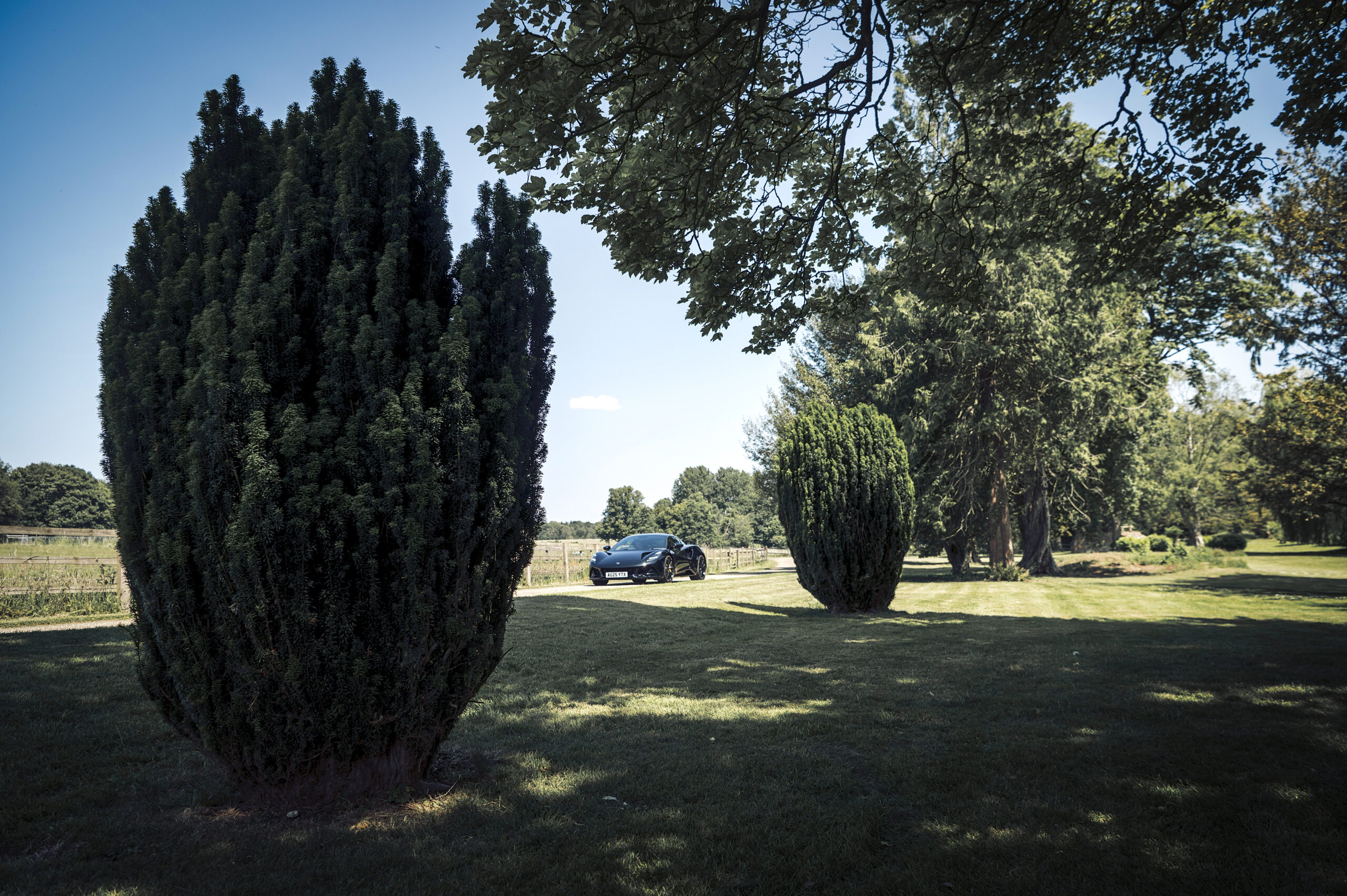
Lotus is one of the crown jewels of the British automotive industry, but also a bit of a problem child. Following a radical shift towards electrification under Chinese ownership, only one model can still trace its origins to the tradition of compact and lightweight sports cars, as started by founder Colin Chapman. Natan Tazelaar travelled to Hethel for a gathering of the traditional Lotus philosophy and its modern interpretation.
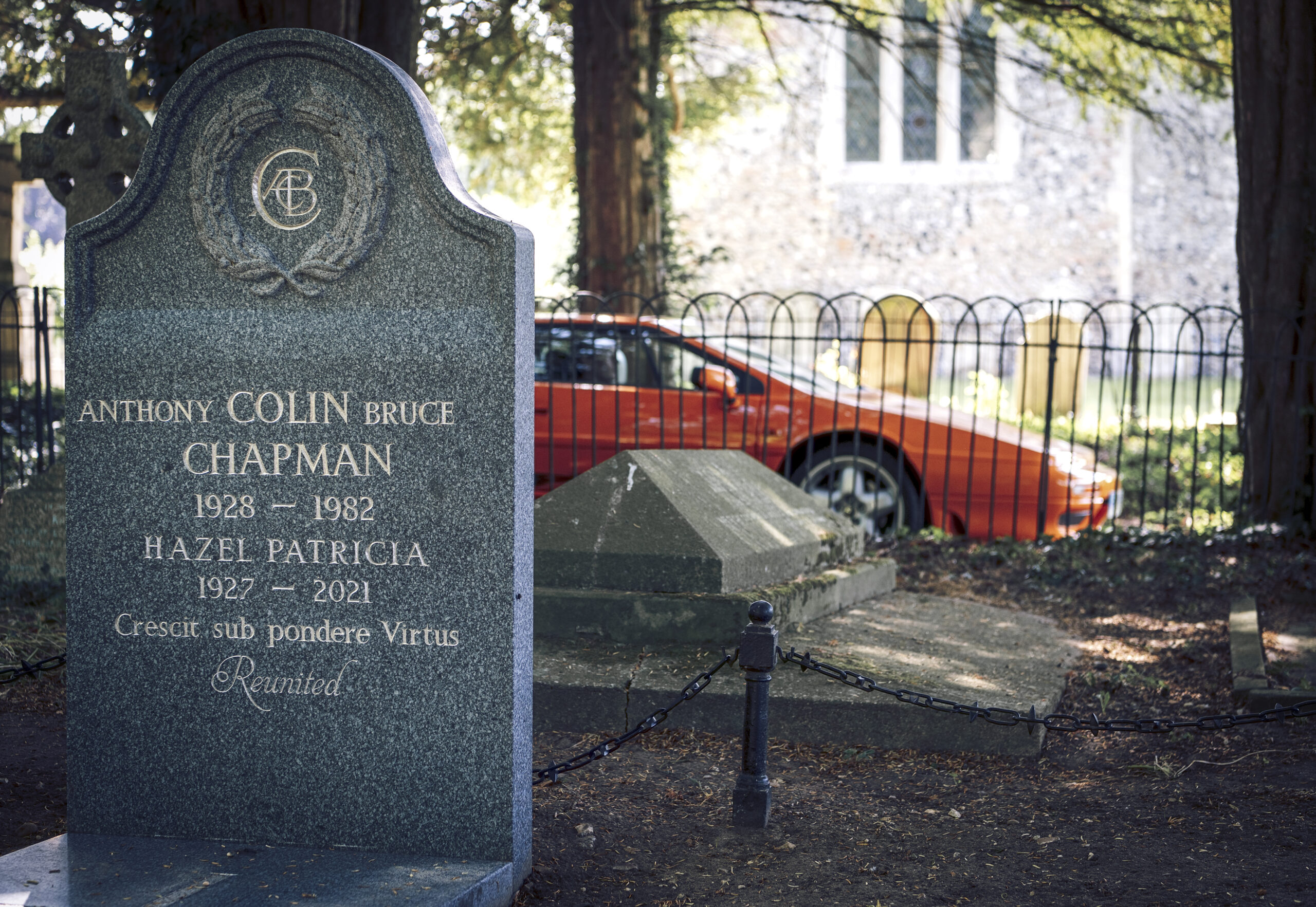
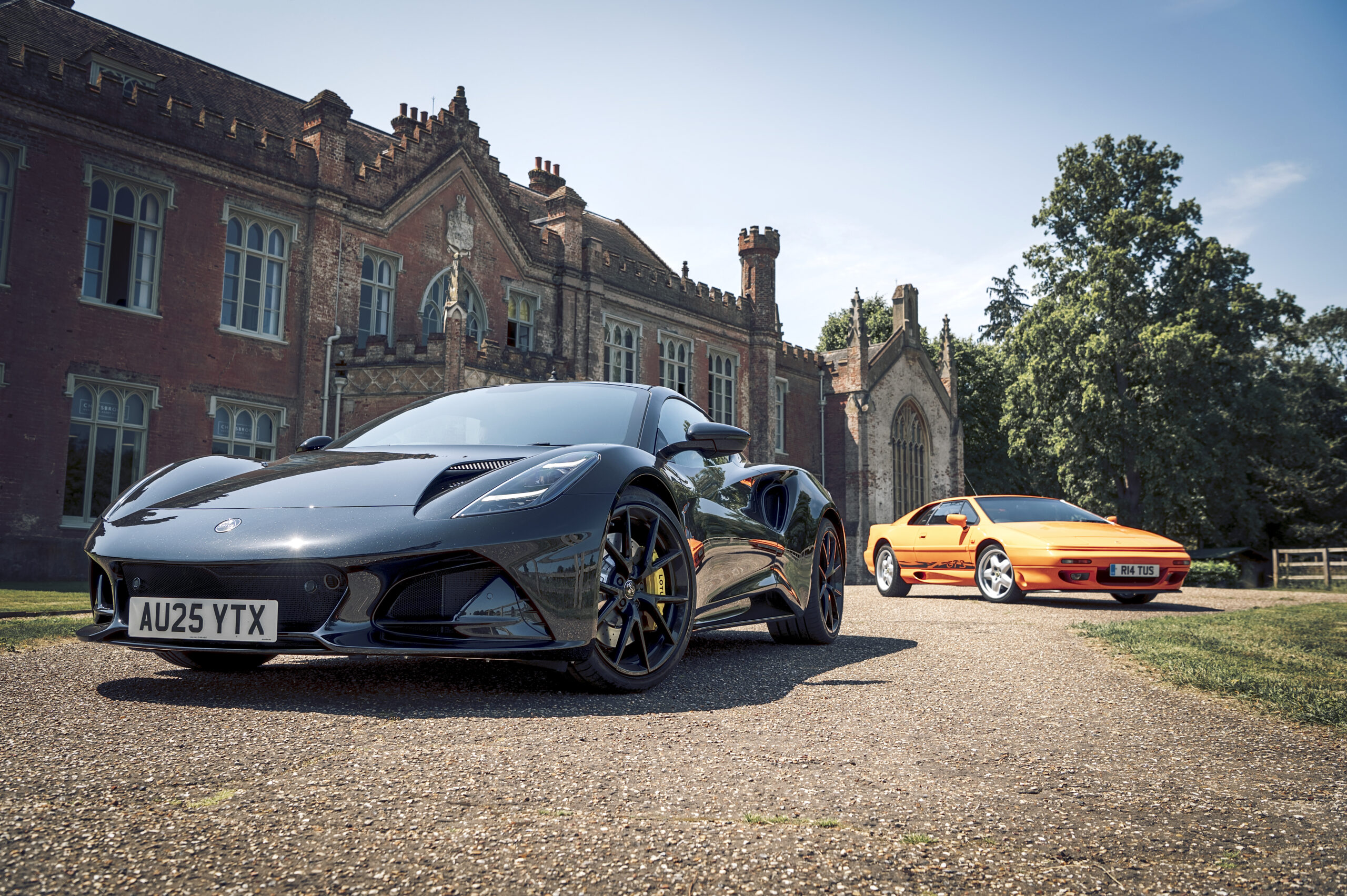
From the moment he founded Lotus in 1952, Colin Chapman religiously adhered to one clear philosophy: ‘simplify and add lightness’. It not only made his race cars unbeatable and feared by his rivals, but also ensured that his road cars were as radical as they were rewarding to drive. The Lotus Mark I to Mark VI laid the foundation, the Seven became an icon, and later models such as the Elan, Europa and Esprit continued that tradition. Even after Chapman’s death in 1982, Lotus remained faithful to its origins, and with the Emira the brand still offers a sports car shaped by Chapman’s philosophy.
At nearly 1,450 kilos (3,197 lbs), the Emira can be considered lightweight by modern standards. However, it does not belong to the lineage of stripped out road racers inspired solely by motorsport. In 1975 Lotus moved upmarket in an effort to shed its kit car image, launching the Esprit under the internal code Type 79 as a more spacious, comfortable and practical sports car while remaining firmly focused on driving pleasure. After production of the Esprit ended in 2004, that philosophy returned in 2006 with the Europa (Type 121), followed by the Evora (Type 122) in 2008 and ultimately the Emira (Type 131) in 2022.
Giorgetto Giugiaro
With the Esprit Lotus entered the lucrative and prestigious sportscar segment for the first time, making it one of the brand’s most important models. This success was aided in no small part by roles as a Bond car, first in The Spy Who Loved Me, where a white example transformed into a submarine before driving onto the beach, and later in For Your Eyes Only, in which 007 was seen driving a metallic brown Turbo in the Alps with two sets of skis mounted on the back.
The most important and also most visible factor behind the Esprit’s success was its design. Italian master designer Giorgetto Giugiaro created the sharp lines that were first shown as a striking concept in Turin in November 1972 and entered production in 1975. This first series combined the futuristic appearance with a four-cylinder mid-engine derived from the Elite and Eclat. In 1978, the model was refined with the S2, distinguished by visual changes such as different wheels, larger rear lights from the Rover SD1 and improved aerodynamics.
In the early 1980s further technical development followed with the S2.2, with an increased engine capacity to improve torque. That same year Lotus introduced the Essex Turbo Esprit, marking not only the transition to turbocharged engines, but also a significant step forward with a completely new galvanised chassis, changing the reference code to Type 82. This technology was applied to the regular Turbo Esprit in 1981, which defined the range until the mid 1980s. In 1986, a more powerful Turbo HC variant followed, featuring internal engine modifications and further performance upgrades.
Peter Stevens
A key moment in the Esprit history came in 1987 with the upgraded model known as the X180. Peter Stevens modernised the original Giugiaro design without abandoning the characteristic identity. Alongside the updated Turbo, a naturally aspirated variant appeared, which was mechanically related to the Excel and recognisable by the absence of a glass panel in the engine cover. A switch was also made from the Citroën gearbox to a Renault unit. In 1990 Lotus dropped the naturally aspirated Esprit, making it a short-lived model with only 366 cars manufactured between 1988 and 1992.
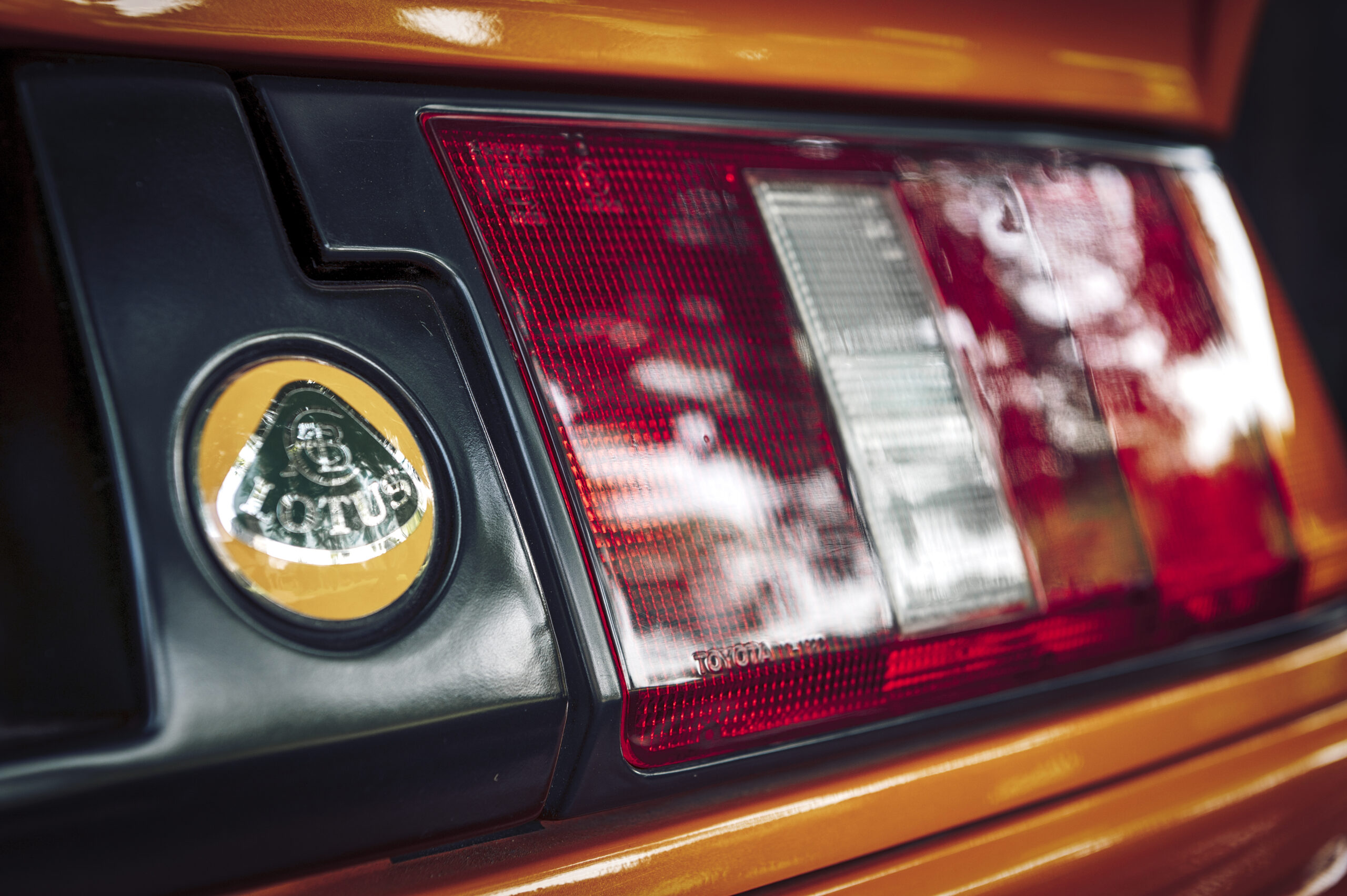
Earlier, the Turbo SE had appeared, and thanks to the use of an intercooler it delivered a significant increase in power, elevating the Esprit to a new level of performance. This version formed the basis for further evolution in the early 1990s, continued with the S4 under designer Julian Thompson. With the arrival of the V8 in 1996, the Esprit made important strides not only in performance but also in exclusivity. Current Lotus design chief Russell Carr was the last to work on the Esprit in 2002, introducing, among other things, the four round rear lights. By 2004 the Esprit had reached the end of its development when production ceased after 10,675 units.
GT3
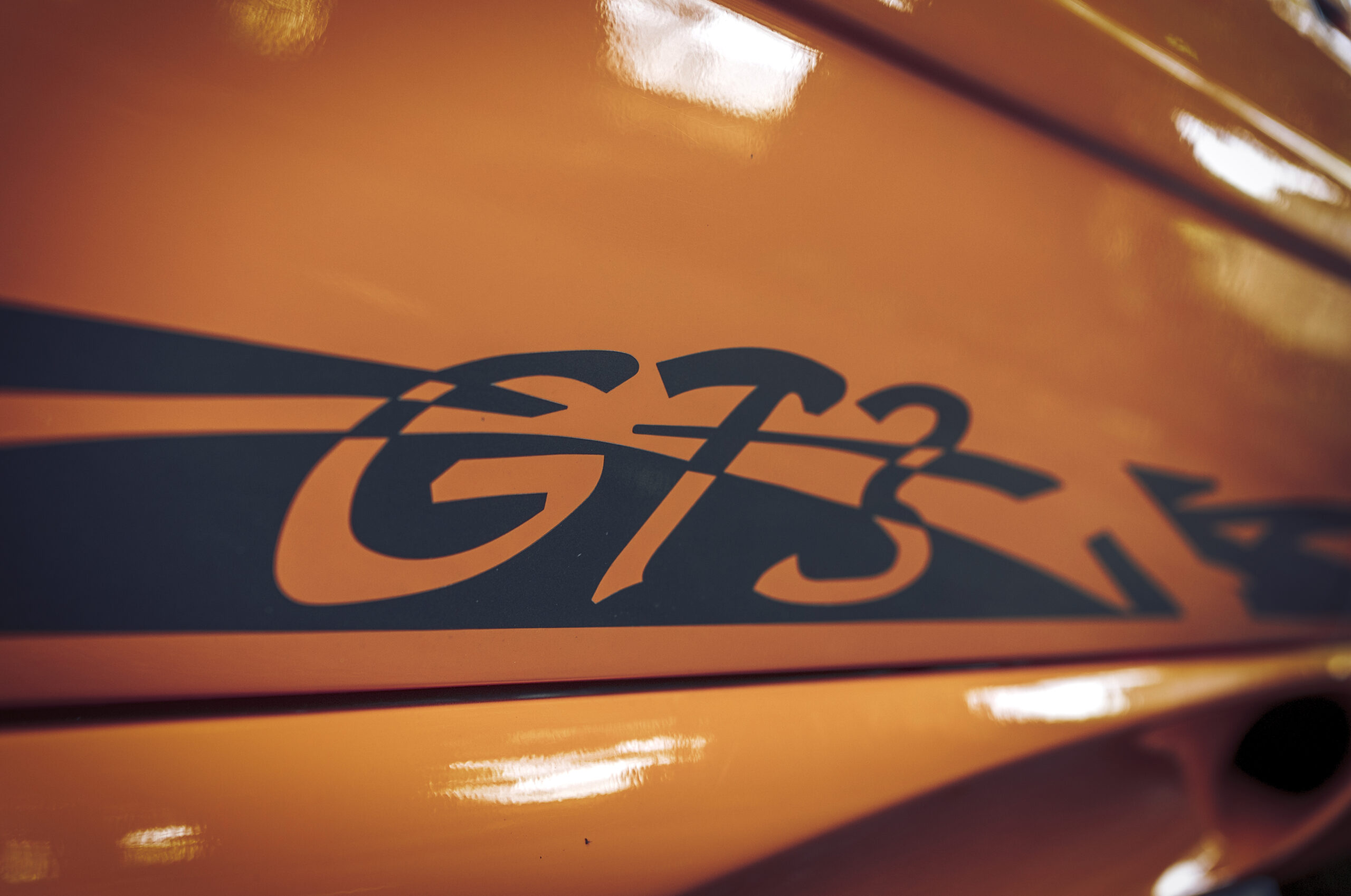
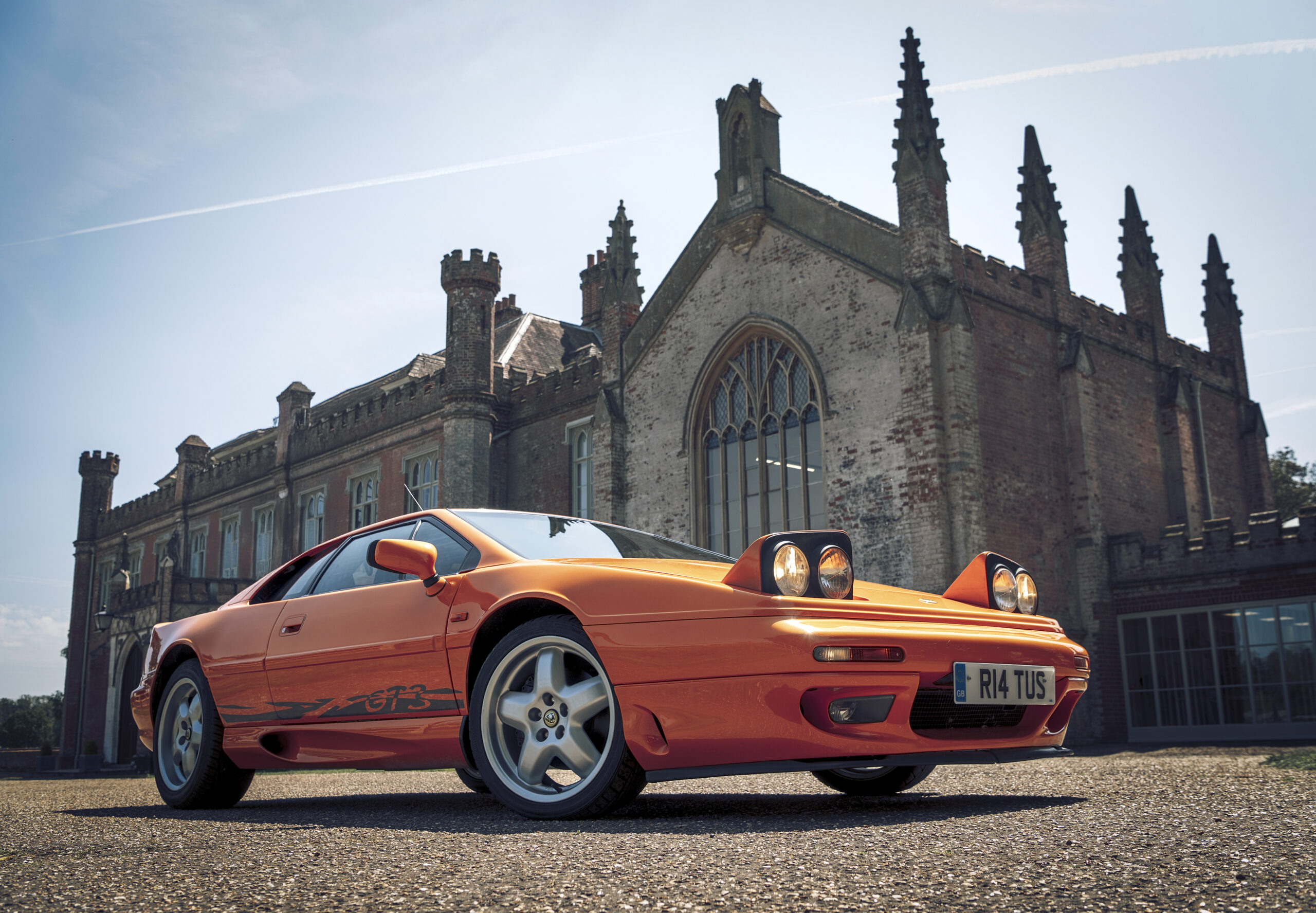
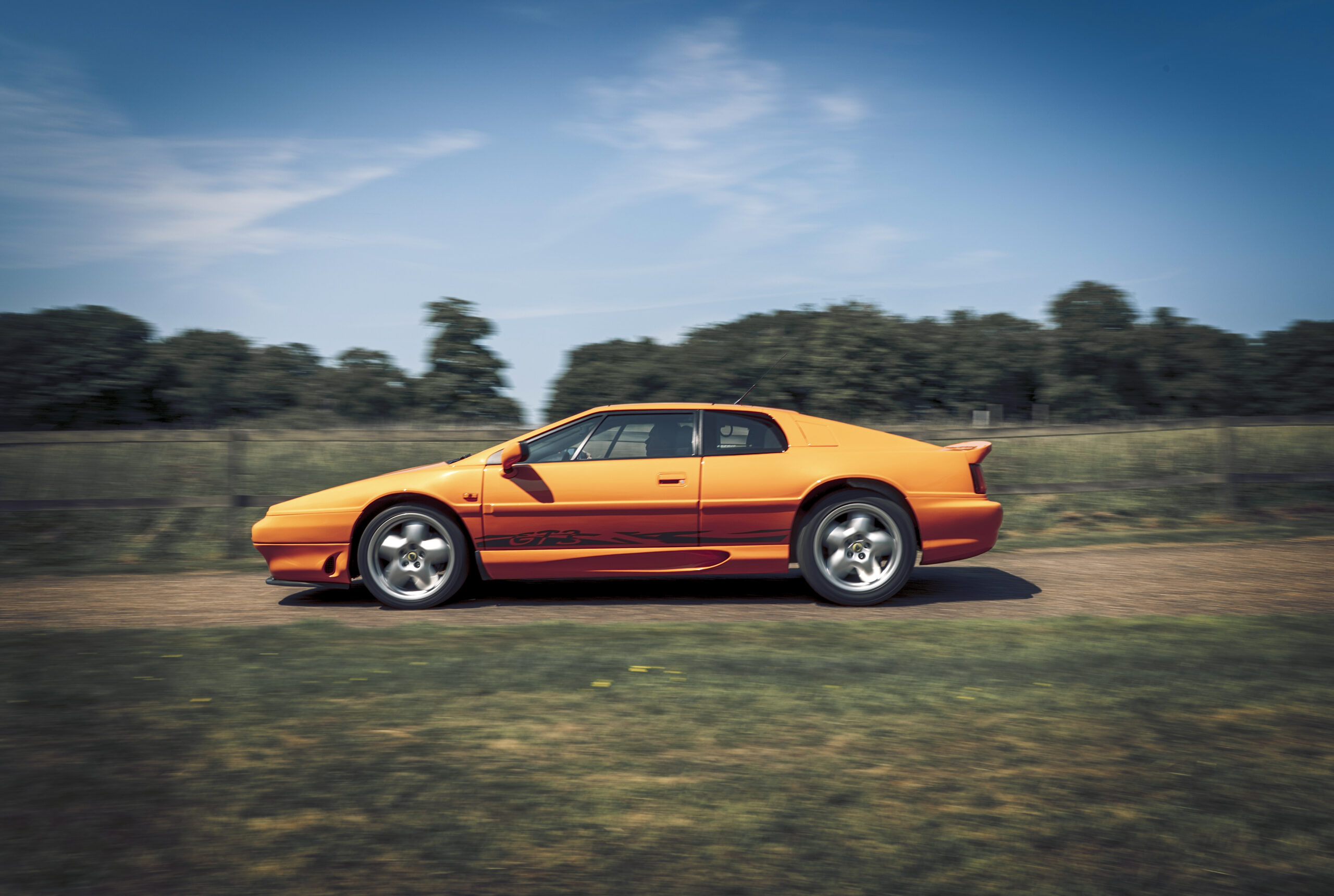
In the seemingly endless list of Esprit variants, the GT3 appears near the bottom if you sort them chronologically, or at the top when ranked by desirability. You could describe the GT3 as a Clubsport variant, a lightweight model aimed at track day enthusiasts. It lacked the impressive performance of the V8 models, because technically it was more closely related to the Esprit S4 launched in 1993.
Key differences with the S4 are the absence of the large rear wing and a four-cylinder turbo engine with a displacement of two litres, something not been seen in an Esprit since the early days. According to Lotus the GT3 weighed 150 kilos (331 lbs) less than the Esprit V8. With a top speed of over 264 km/h (163 mph) and a sprint from 0 to 100 km/h (62 mph) in 5.2 seconds, the GT3 did not set any performance benchmarks in 1996, although it was the fastest production four-cylinder car of its time.
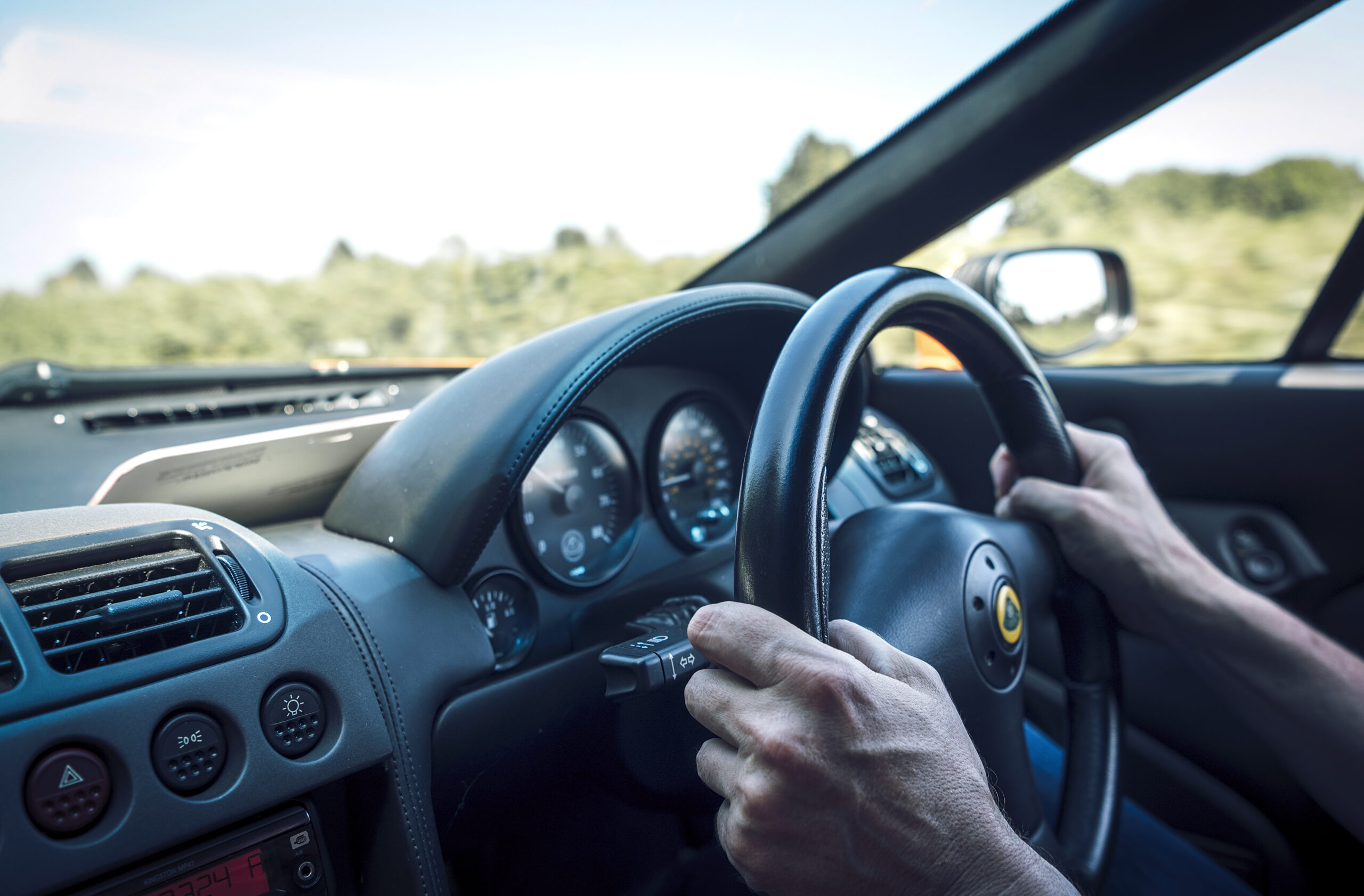
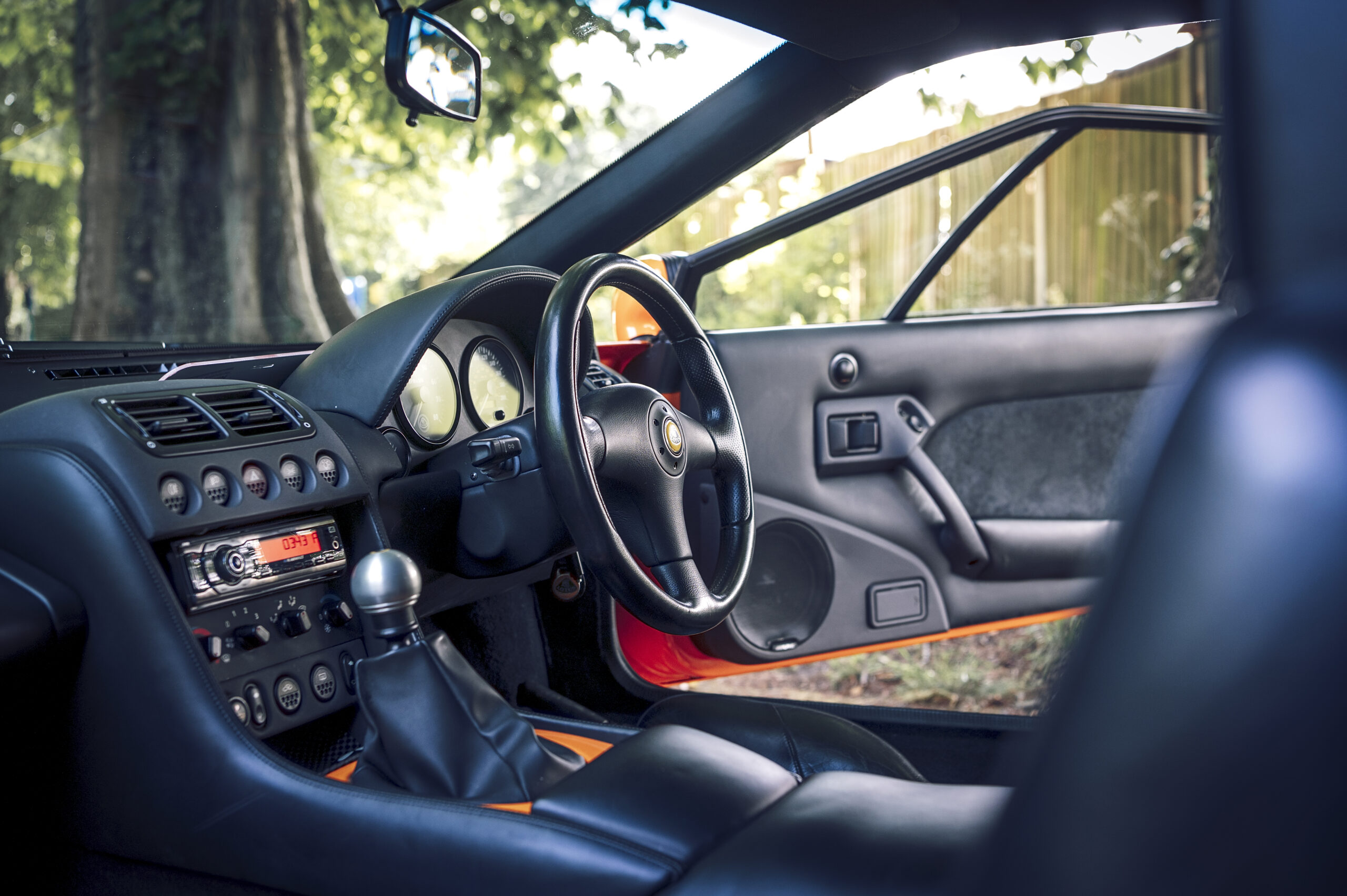
The GT3 I drive for this story belongs to Gavan Kershaw, the man responsible at Lotus for the handling of almost every model since the Elan. When I collect it at the factory, I had already spent several hours in the Emira Turbo SE. The contrast is considerable then, when I get inside, which requires a certain degree of flexibility. The interior looks spartan with physical buttons and analogue dials, while the position behind the wheel is exactly what you would expect from a compact sports car with origins in the 1970s. A low and slightly reclined position in the deep bucket seats and a sense of direct connection to all the mechanical components.
Exceptional
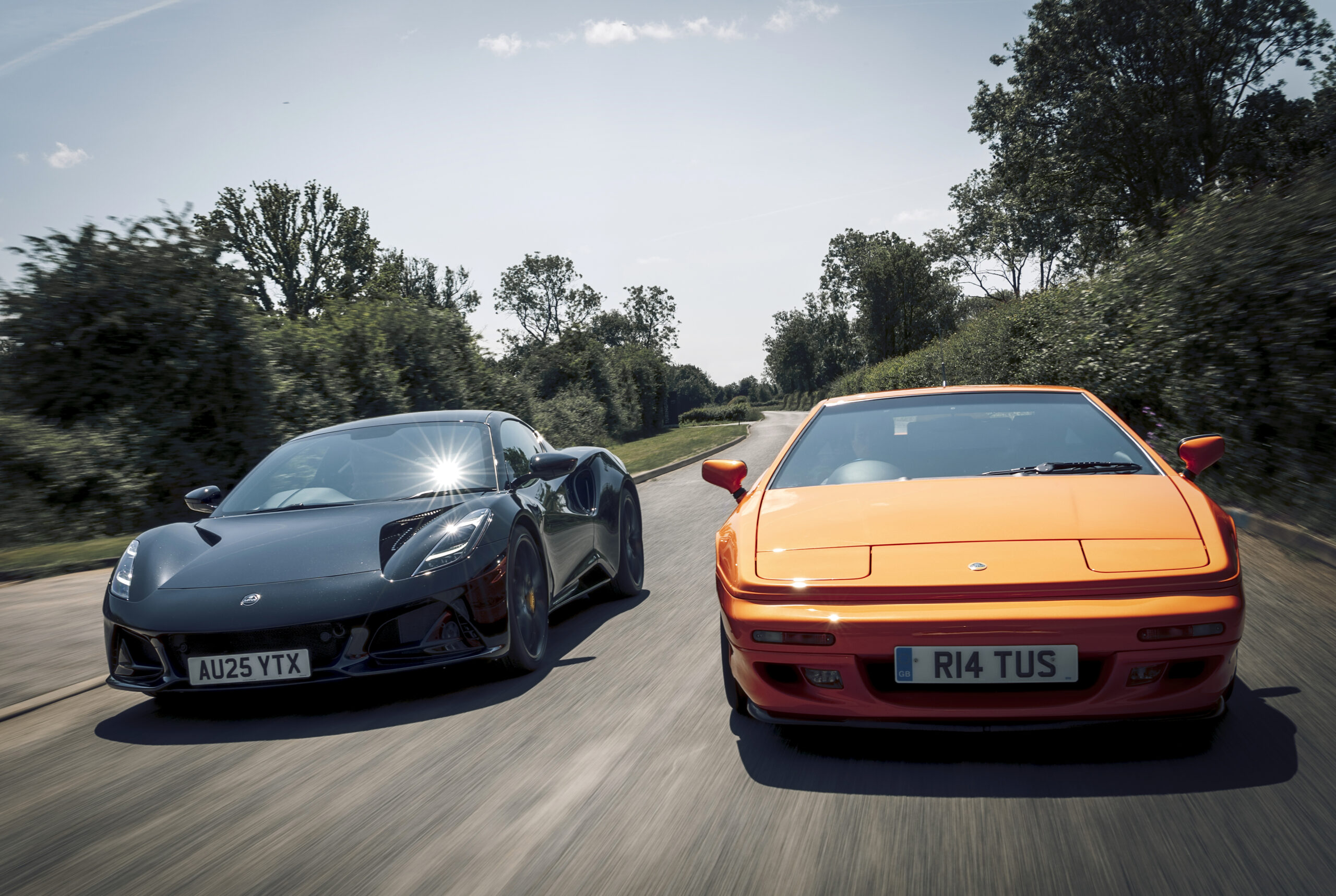
On our way towards the old F1 headquarters called Ketteringham Hall, it is clear how directly the Esprit communicates, but also that the engine needs quite a bit of encouragement. It delivers 240 hp and 293 Nm (216 lb-ft) of torque, but up to 3,000 rpm, very little happens. Fortunately, the drivetrain is already up to temperature when we leave the factory grounds, allowing me to immediately enjoy the winding country roads around Hethel. I have to push quite hard to keep up with the Emira ahead, driven by PR director Diederik Reitsma, who is clearly enjoying himself.
As long as the engine remains above 4,000 rpm, turbo response is swift and the GT3 reveals itself as a sharp, agile and lightweight driver’s machine. Much depends on the person behind the wheel, as there are no electronic aids to compensate for a lack of experience, prevent overconfidence or correct its consequences. The balance of the chassis is exceptionally good and, because there is no heavy V8 behind the seats, the GT3 feels less tail happy. Unless you suddenly lift off the throttle in a fast corner, but that is never good advice. The steering offers pleasing precision and clear communication, partly thanks to the relatively narrow 215 front tyres. These provide less grip than the ultra-wide low-profile rubber used today, but deliver more predictable limits.
The least impressive aspect of the GT3, and of every Esprit to be honest, is the gearbox. You do not get the metallic feel of a gear lever moving with razor sharp precision between ratios, but rather a rubbery and vague sensation that does not match the rest of the car, where precision is exactly what defines it. This five-speed gearbox is fundamentally derived from the Renault 25 and Alpine GTA, although some internal components originate from the Renault 21 Turbo.
Dangerous driving
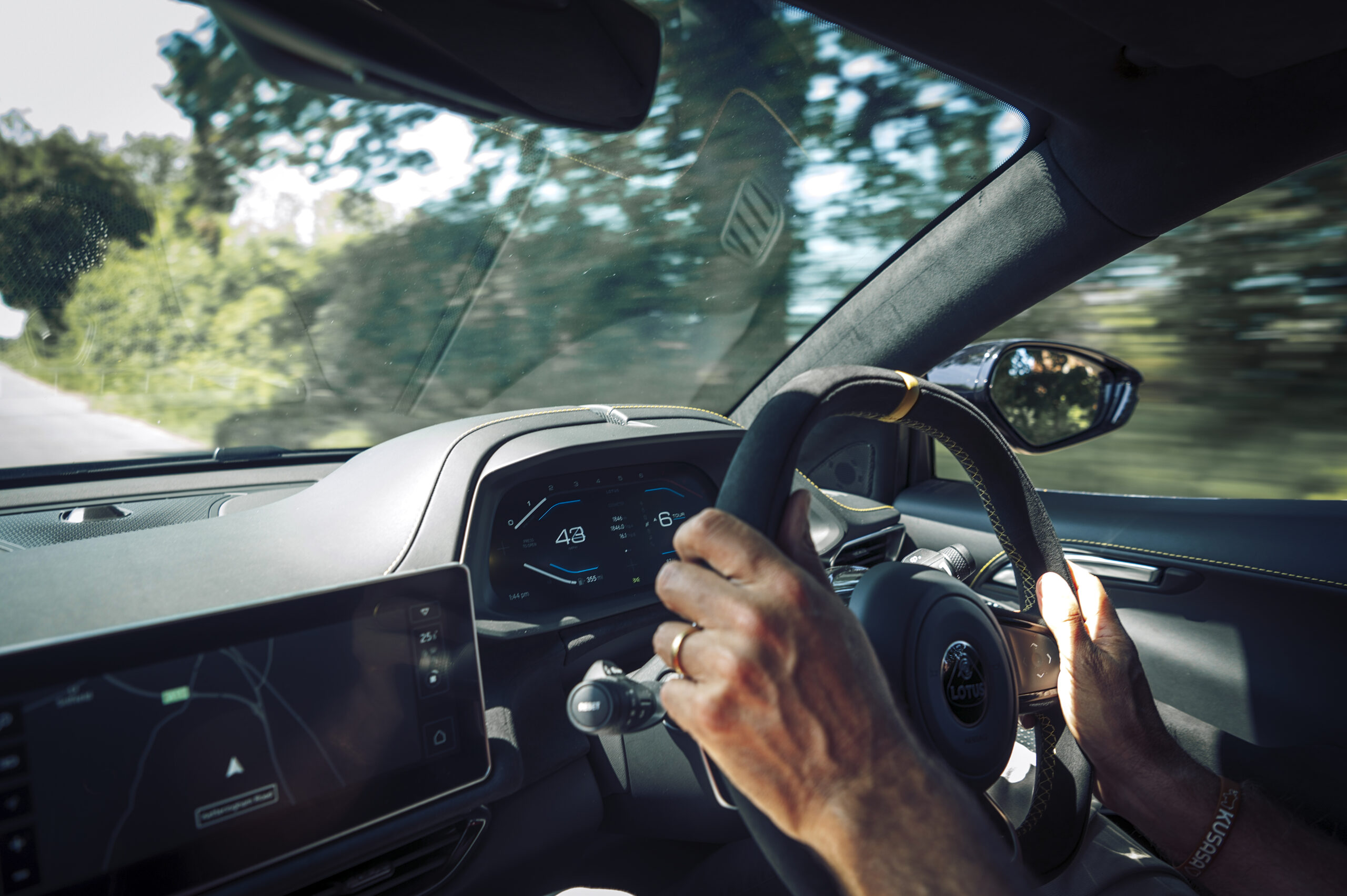
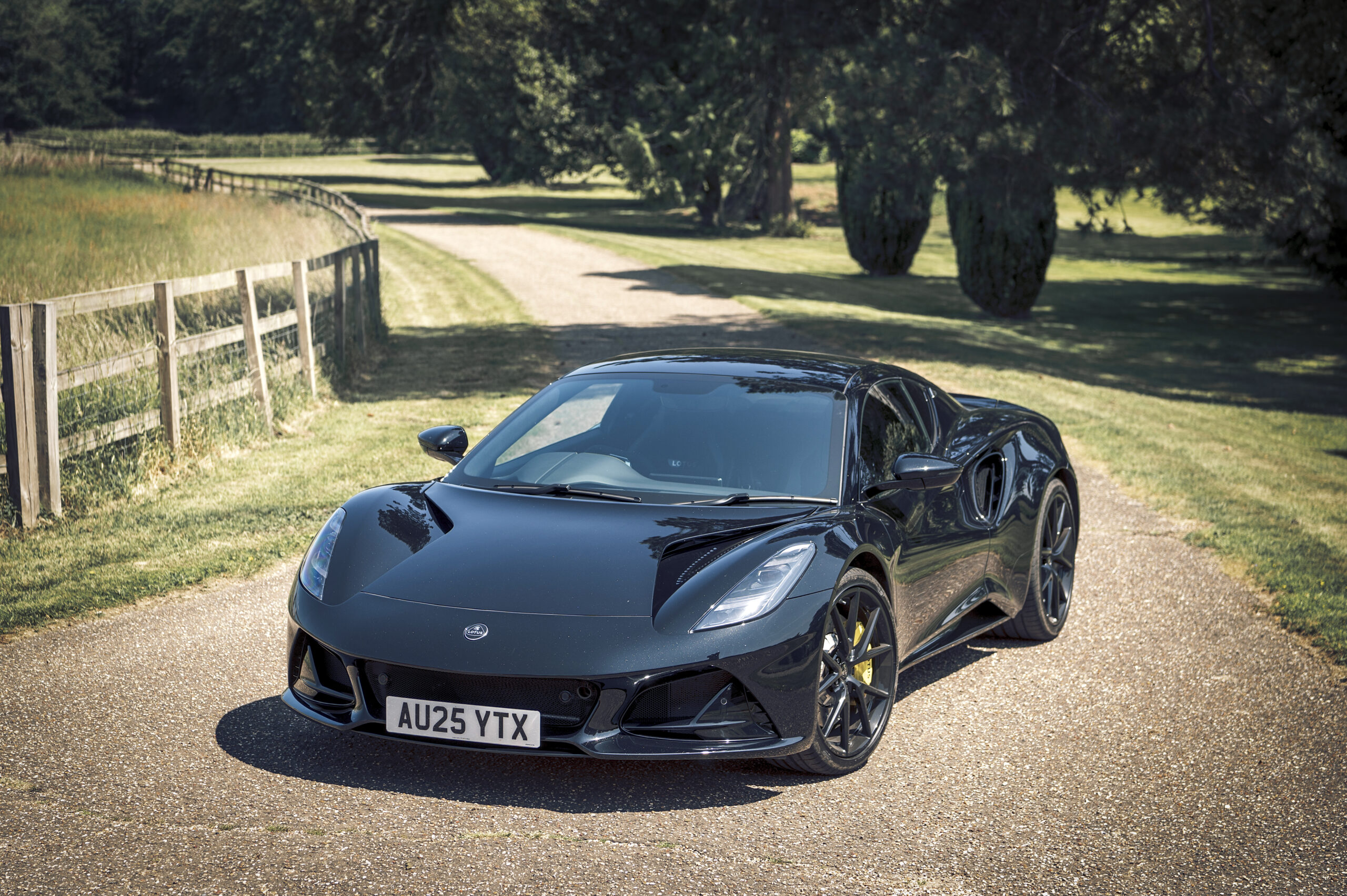
When I get back into the Emira, it feels as though I have entered another world. The interior offers more space, is more refined and the build quality is superior. With screens instead of analogue dials it is also less attractive, although they are easy to read and primary functions are not hidden behind layers of menus in the name of modern efficiency. The overall result is a model of simplicity and clarity. Combined with the excellent driving position and supportive seats, this is a sports car that can easily double as a grand tourer, or even as a daily driver.
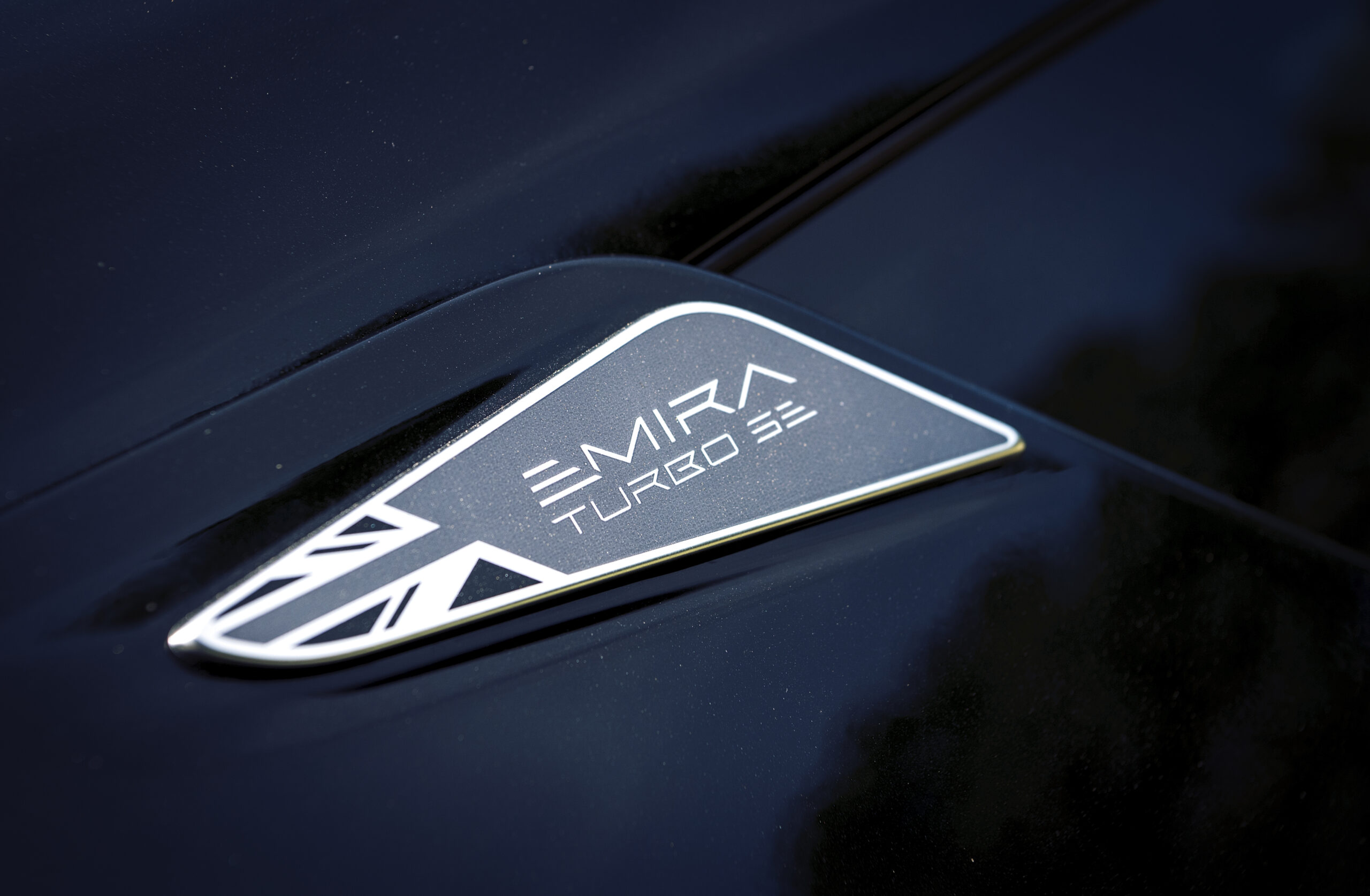
The AMG-sourced four-cylinder engine with 1,991 cc, producing 406 PS and 480 Nm (354 lb-ft), also represents a significant step forward compared with the 1,973 cc unit in the GT3. The torque is widely usable and, combined with the ultra-fast and smooth eight-speed dual-clutch transmission, there is always sufficient pulling power available. So unlike the GT3, there are no moments where the drivetrain struggles due to low revs or an unsuitable gear.
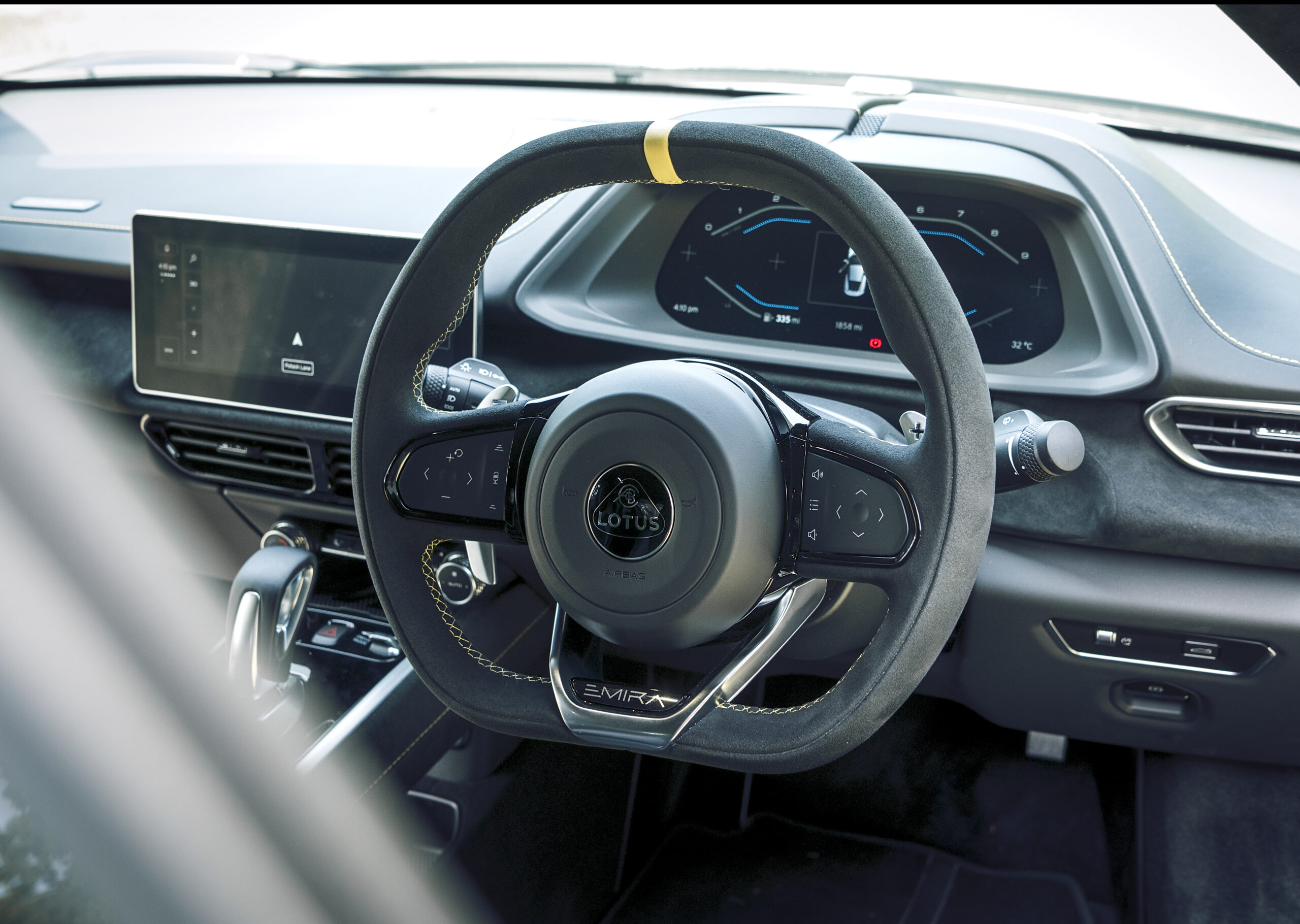
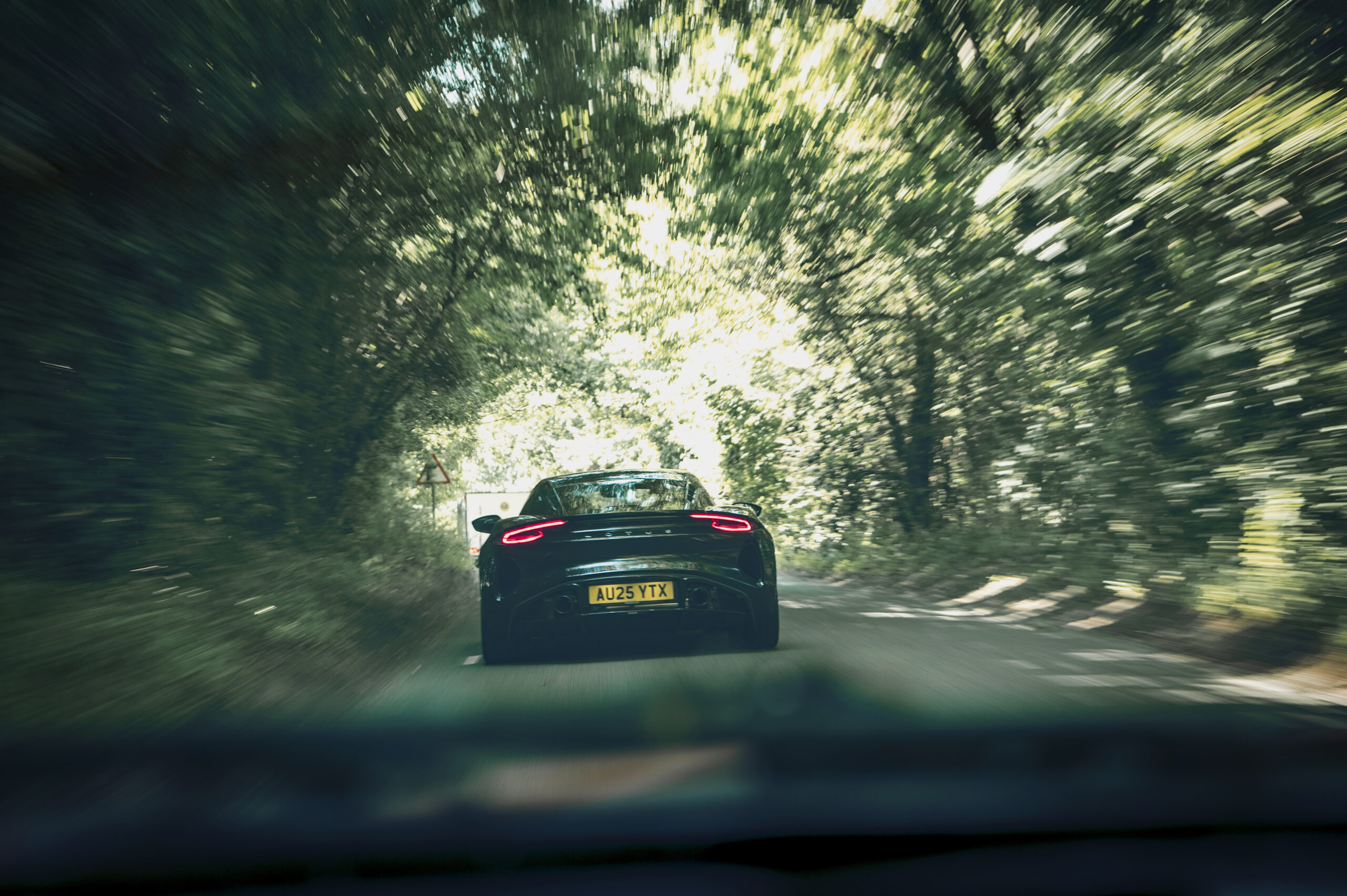
Driving the Emira at full throttle does not feel intimidating, unlike some modern sports cars, which shows that Lotus remains true to its philosophy “For the Drivers.” Figures such as 800 hp, a sprint to 100 km/h in under two seconds and a top speed exceeding 350 km/h may sound impressive at the bar, but are largely academic. The Emira proves that it is far more enjoyable to drive a slow car quickly than it is to drive a fast car slowly. That said, the term slow must be taken in context, as the Turbo SE is undeniably fast and very impressive in its own right. More importantly, its performance is accessible on public roads without requiring antisocial or dangerous driving.
During cornering, the Emira feels sharp and neutral, with a stability that inspires the confidence needed to keep pushing. Our test car was equipped with the standard Touring chassis, which is especially compliant on the rough and winding country roads around Hethel, offering excellent balance along with impressive grip. There is little reason to opt for the optional Sports suspension, which is part of the Driver’s Pack, unless you spend nearly every weekend on a racetrack. In that case, an Exige Cup car would be the better choice.
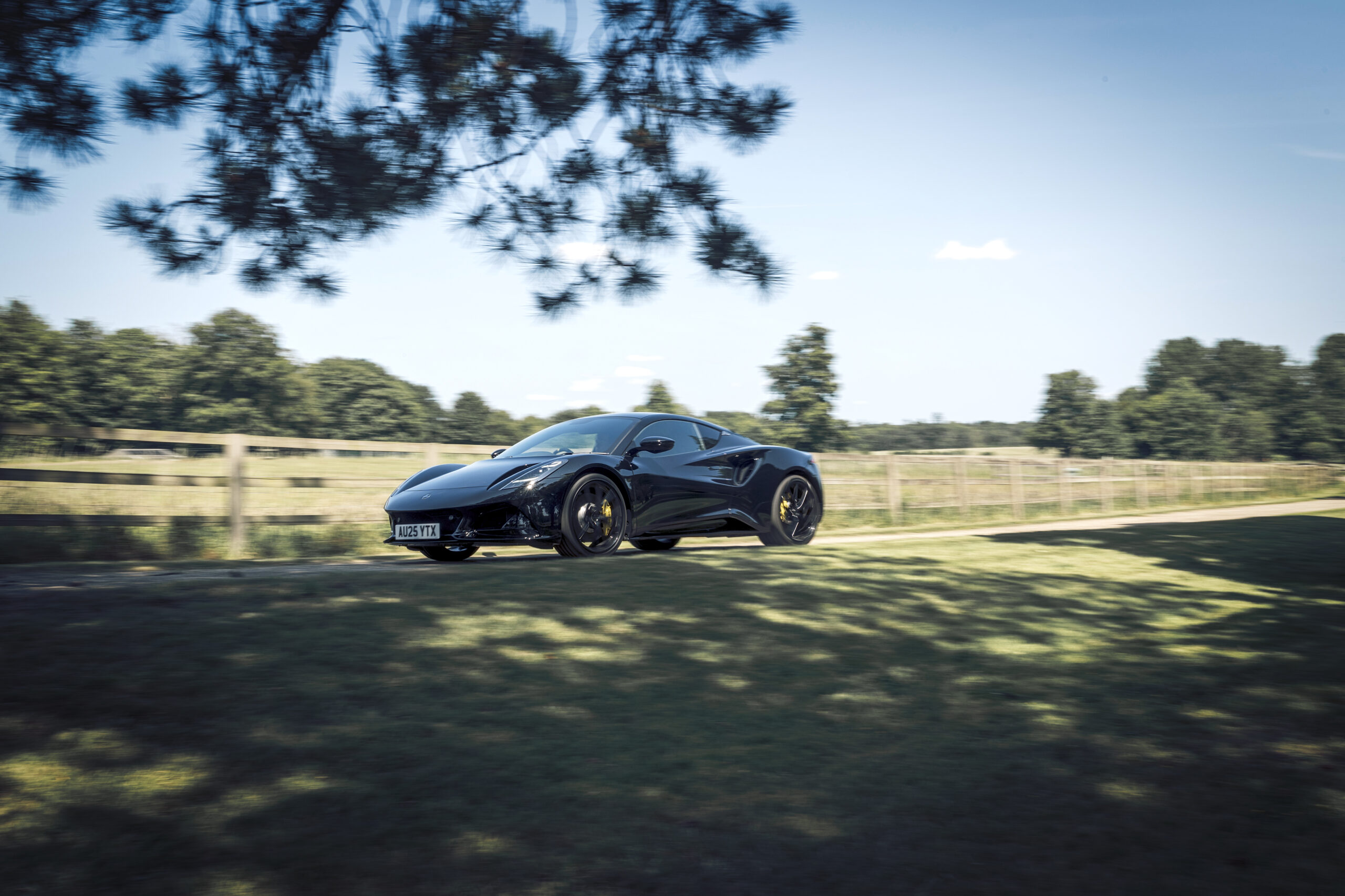
In terms of sound, the Emira Turbo SE as well as the Esprit GT3 are comparable. Especially under pressure, both four-cylinder turbocharged engines produce a mix of subdued induction noise, whistles and occasional blow-off sounds. That makes turbocharged engines an acquired taste, as they are inevitably less vocal compared with naturally aspirated units, though they are certainly no less potent. Lotus also offers a 3.5-litre supercharged V6 in the Emira, which is considerably more expensive and slightly less powerful than the Turbo SE, so whether changes to the range are forthcoming remains uncertain, though it seems likely.
Unrecognisable
Oscillating between Formula 1 world championships and periods of financial uncertainty, Lotus has maintained one key constant: its reputation for pure driving dynamics. With the Emira, and particularly the Turbo SE, the brand once again demonstrates that it has moved with the times while remaining faithful to its heritage. This is especially notable in an era that places enormous pressure on sports car manufacturers, as many brands and models have become almost unrecognisable in their pursuit of market trends and tightening emissions regulations.
By integrating not only lightness but also comfort, technology and everyday usability, Lotus remains relevant in a highly competitive market. This does not mean the brand has abandoned its origins. On the contrary, the Emira shows that its traditional philosophy is evolving rather than fading.
Support Motorcar Journal
Donate a tank of fuel