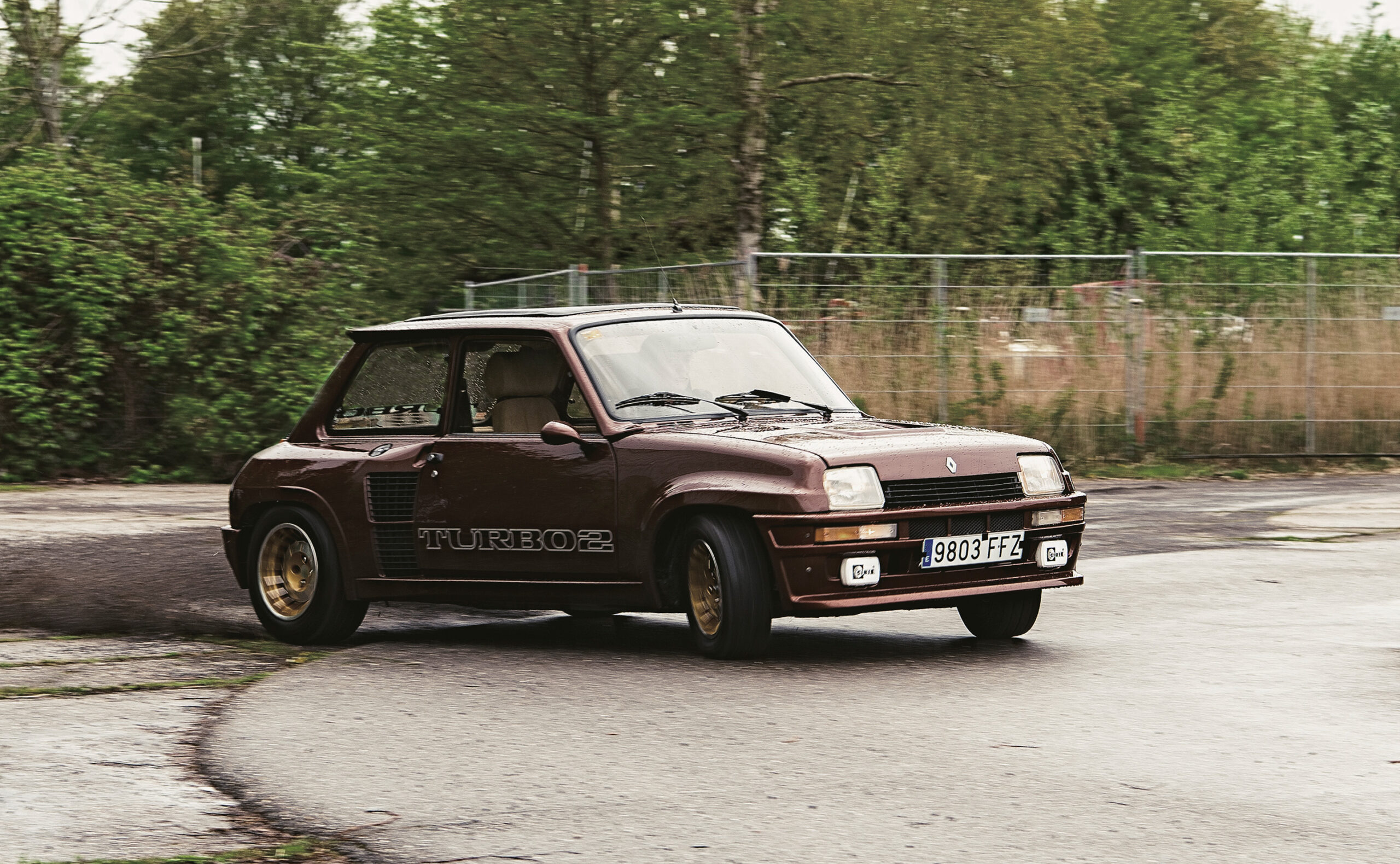
Renault made history with the first victory of a turbocharged car in Formula 1 when the RS10 won the French Grand Prix in 1979. They also developed the first purpose-built turbocharged rally cars, resulting in a little fire-breathing monster that changed the sport forever, while simultaneously tearing up the rulebook for hot hatches.
Turbo technology had come a long way, as it was pioneered by Renault during the 1977 Formula 1 season at five selected races. The RS01 had a 1.5-litre V6 with a single compressor and although it was incredibly powerful with well over 500 horsepower, it was also terribly unreliable. In 1978 Renault attended 14 of the 16 races and managed to score championship points, a first for a turbocharged car in Formula 1. In 1979 Renault introduced the new RS10 ground-effect car with a twin-turbocharged V6 and Jean-Pierre Jabouille won the French Grand Prix with it, making it an all French affair. In 1980 the RE20 scored three Grand Prix victories and finished fourth in the constructors’ championship and a year later Alain Prost claimed the first F1 victory of his career in the RE30. After an even more successful 1982 season, Renault started supplying engines to other teams in 1983 and turbocharging became the dominant force. By 1986, the technology Renault had introduced to Formula 1 nine years earlier was so widespread that it became mandatory.
This article is exclusive to subscribers.
Already a subscriber? Log in.