
Royal mix-up
Self-proclaimed Ferrari specialists, magazines that don’t value research and auctioneers blindly following these sources often refer to the Ferrari 365 GT 2+2 as the Queen Mary. Given the car’s bulk, a reference to the retired British ocean liner is understandable, but it is not correct.
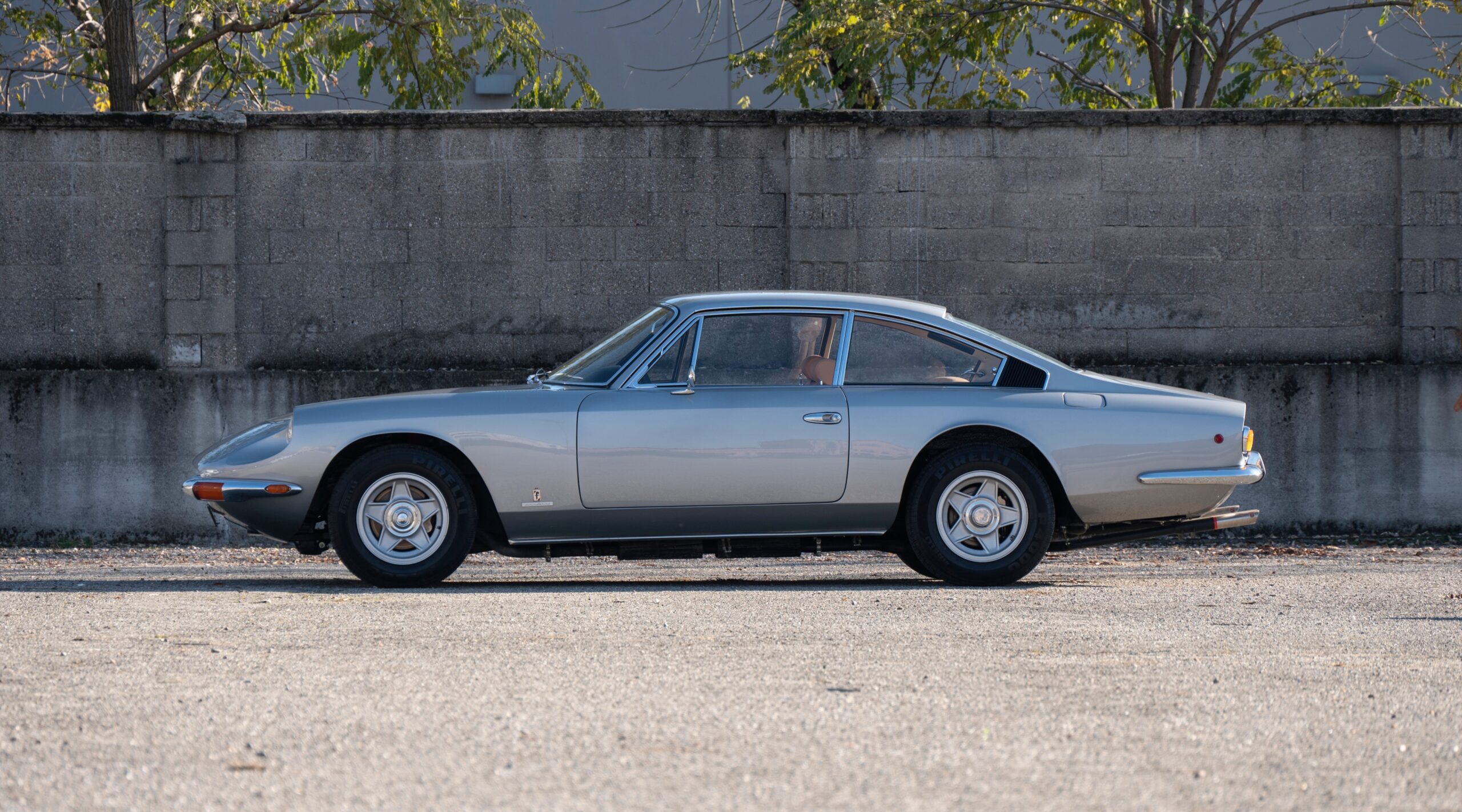
In 1967 Ferrari unveiled the successor to the 330 GT 2+2, with enlarged variants of both the V12 engine and the welded steel frame. The resulting 365 GT 2+2 was substantially bigger, making it one of the largest models in the history of Ferrari. Measuring 4,974 mm (195.8 in) from bumper to bumper, it still holds the title for longest Ferrari ever made, trumping even the Purosangue by one millimetre.
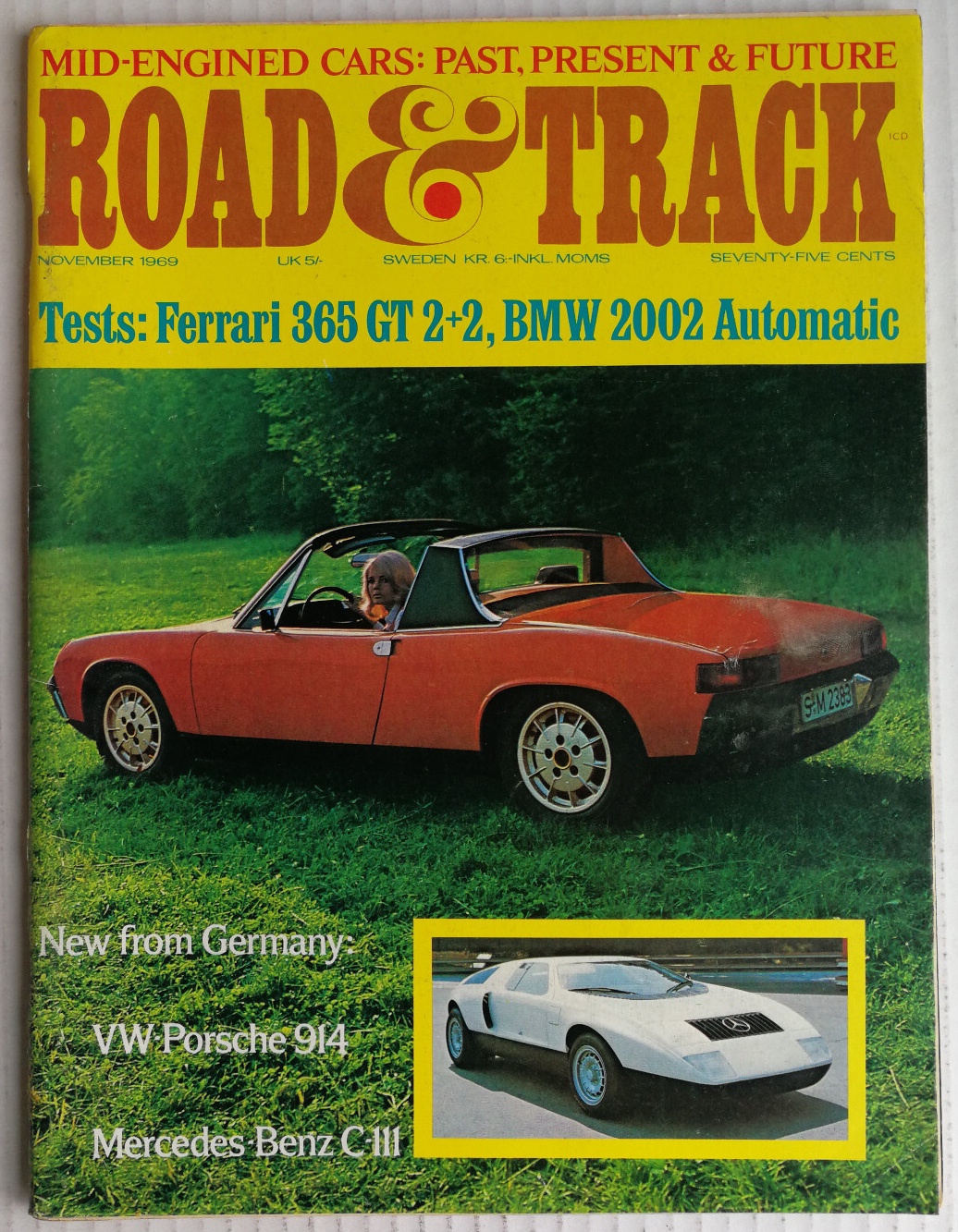
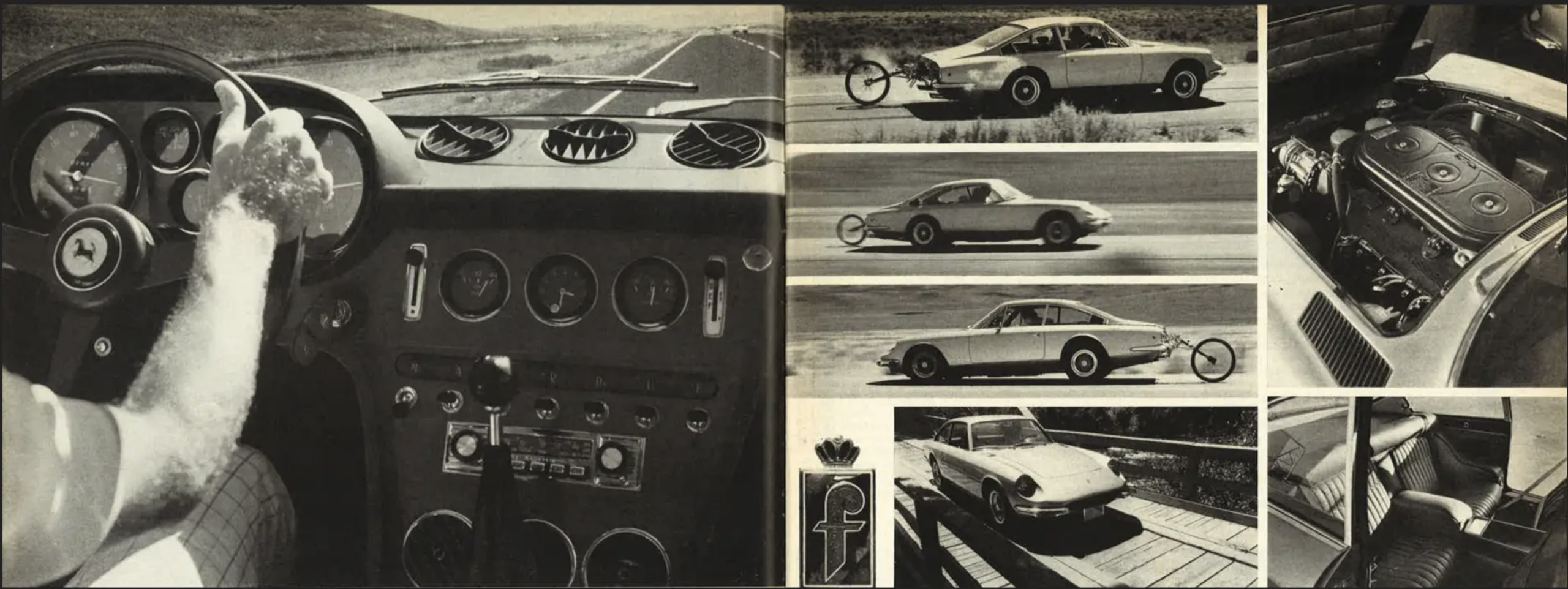
US car magazine Road & Track coined the nickname “The Queen Mother of Ferraris” in a road test published in the November 1969 issue, a reference to an imposing and dignified royal figure and a humorous but affectionate description of the car’s size, stature and commanding presence. The magazine’s review also stressed the car’s remarkable versatility: it could cruise at high speed, cope with traffic and carry a family on a long-distance journey in air-conditioned comfort. In other words, “Queen Mother of Ferraris” meant the grand, imposing, senior member of the Ferrari family.
With the term Queen Mother Road & Track referred to Queen Elizabeth, better known as the Queen Mother. She was Queen of the United Kingdom and the Dominions of the British Commonwealth from 1936 to 1952 as the wife of King George VI. She was called Queen Elizabeth the Queen Mother to avoid confusion with her daughter Queen Elizabeth II, who ruled from 1952 to 2022.
For unclear reasons, the nickname Queen Mother of Ferraris transformed into Queen Mary. Neither King George V’s wife Mary of Teck, who ruled the UK from 1910 until 1936, nor RMS Queen Mary have any role in this story, yet this error has been repeated ad nauseam and sticks like chewing gum to the bottom of a shoe on a hot summer day.
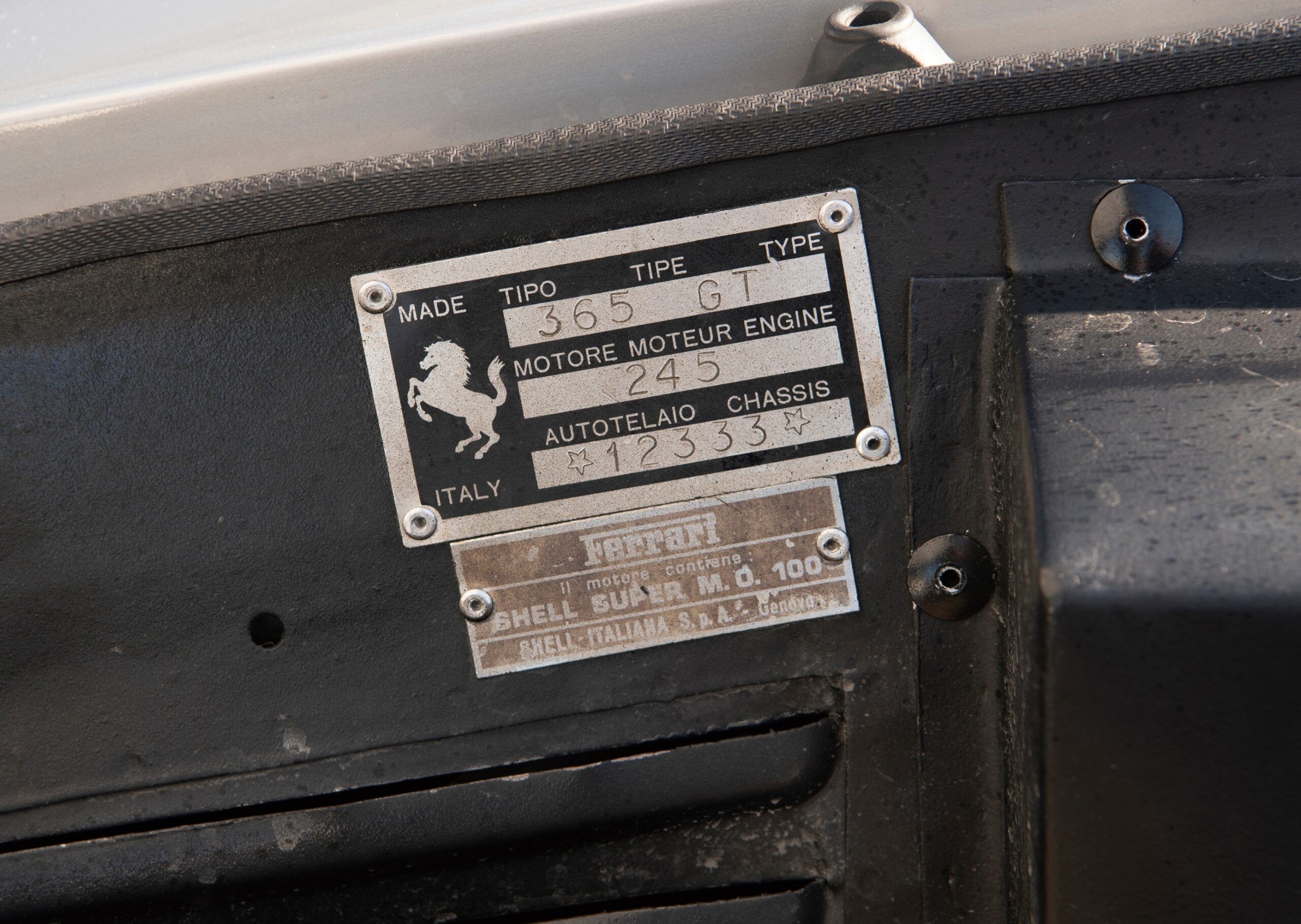
The car used by Road & Track for their test was chassis number 12333. It left the factory in 1969 with the Pininfarina body painted in Argento Metallizzato combined with a Rosso leather interior. The car was delivered to Modern Classic Motors MCM in Reno, Nevada and was the personal car of dealership owner and renowned car collector, William Harrah, who loaned his prized posession to Road & Track for their story.
Support Motorcar Journal
Donate a tank of fuel